
JA Americas COY 2026 Brings Student Entrepreneurs to Quito
November 25, 2026
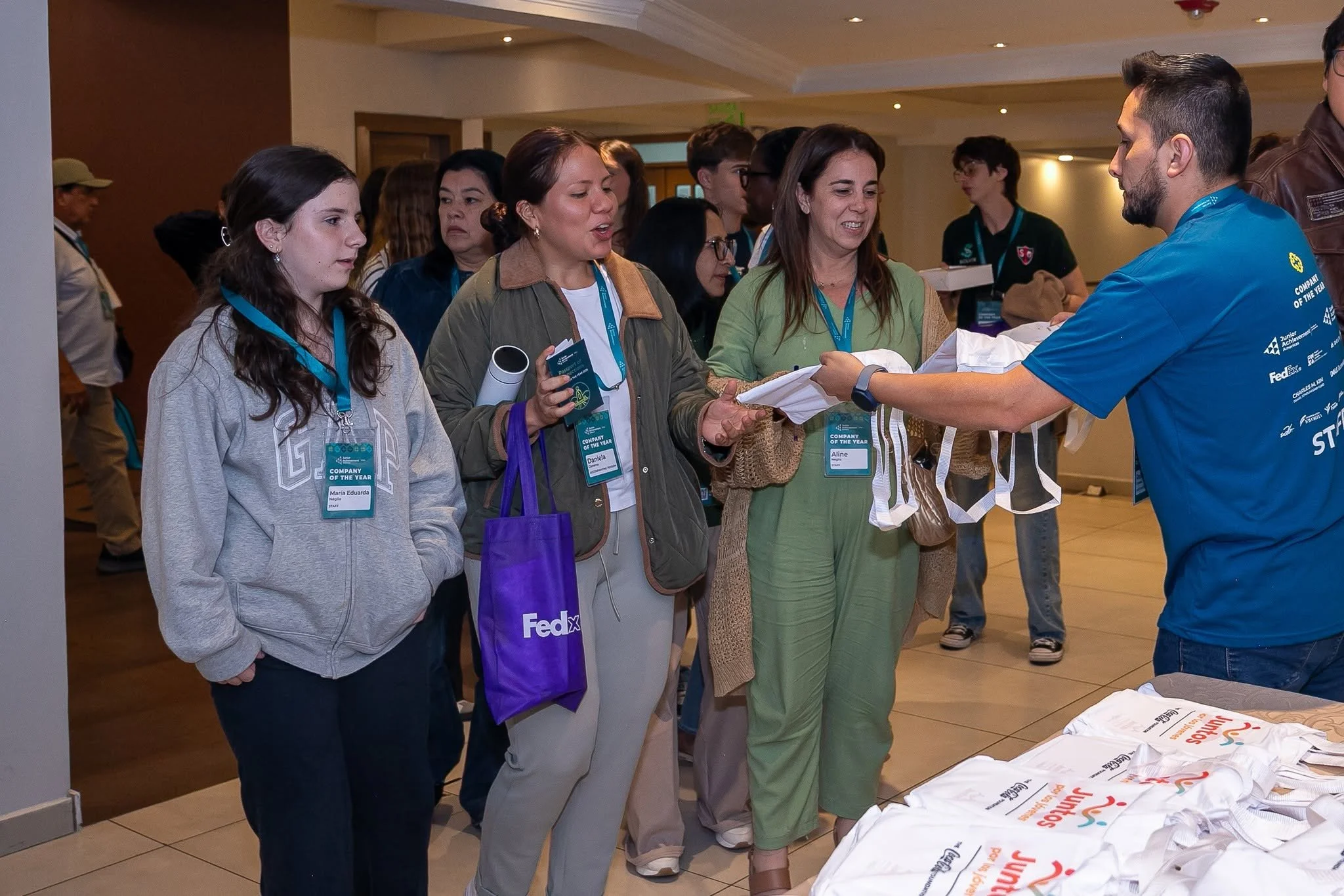
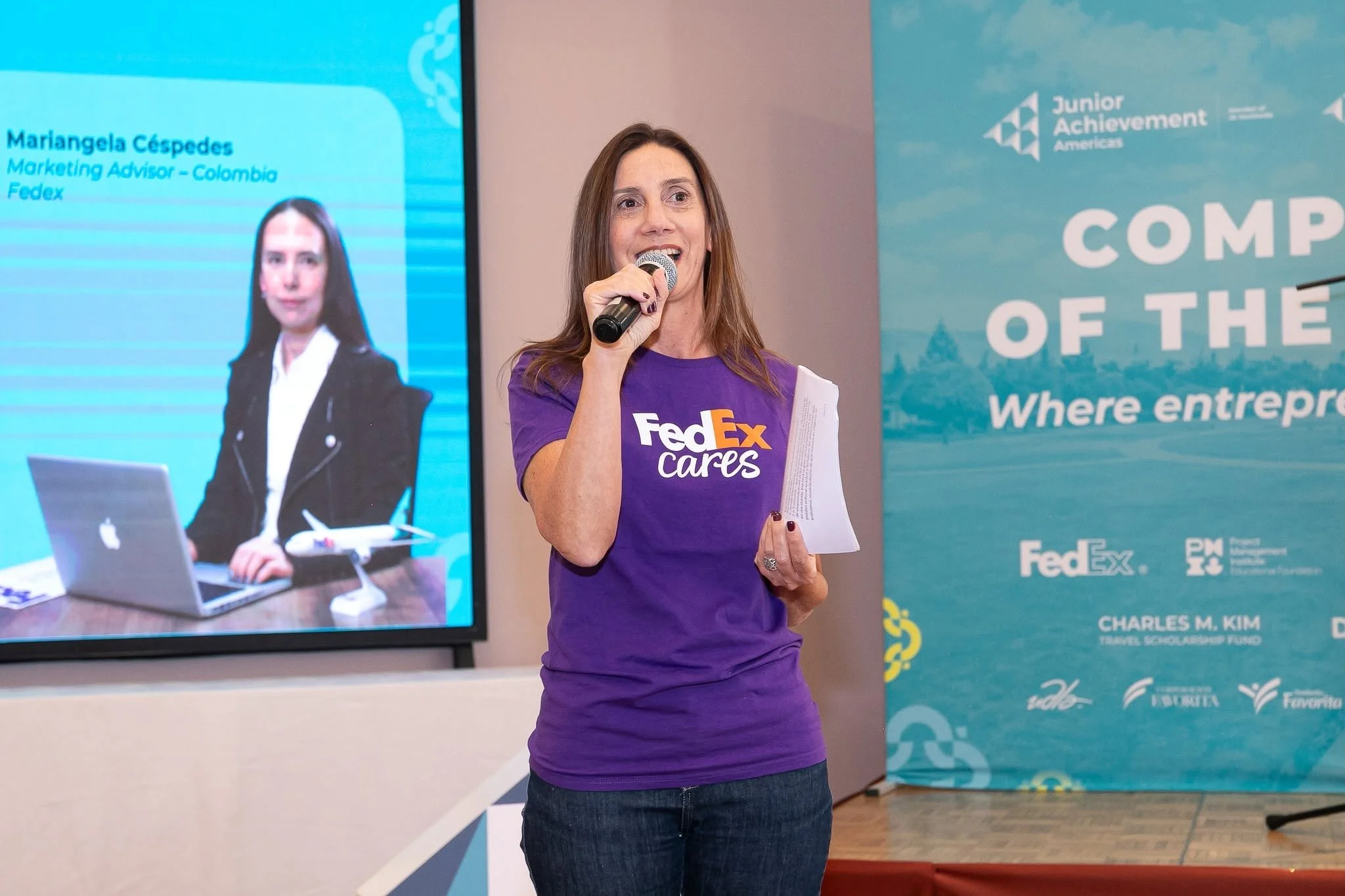
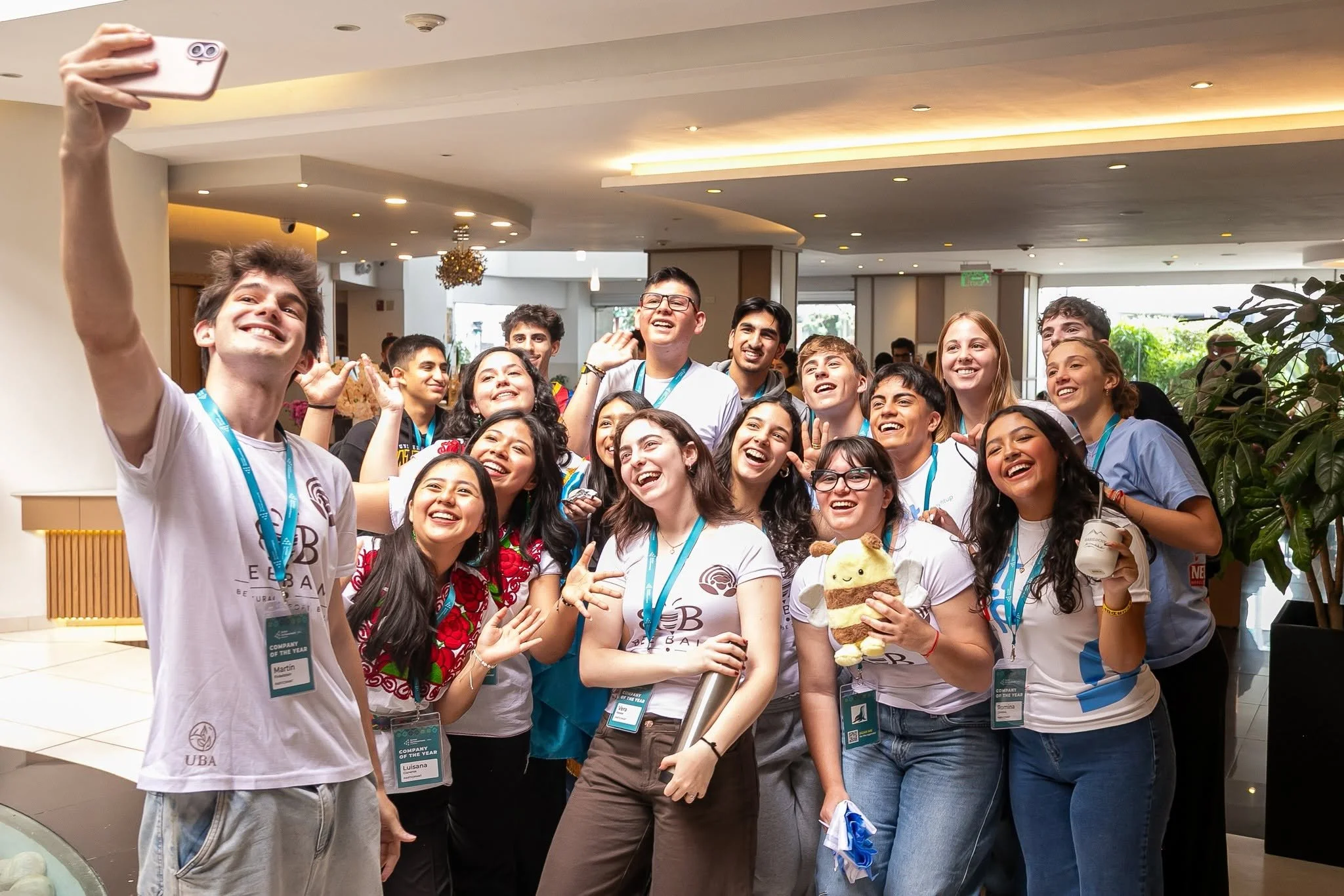
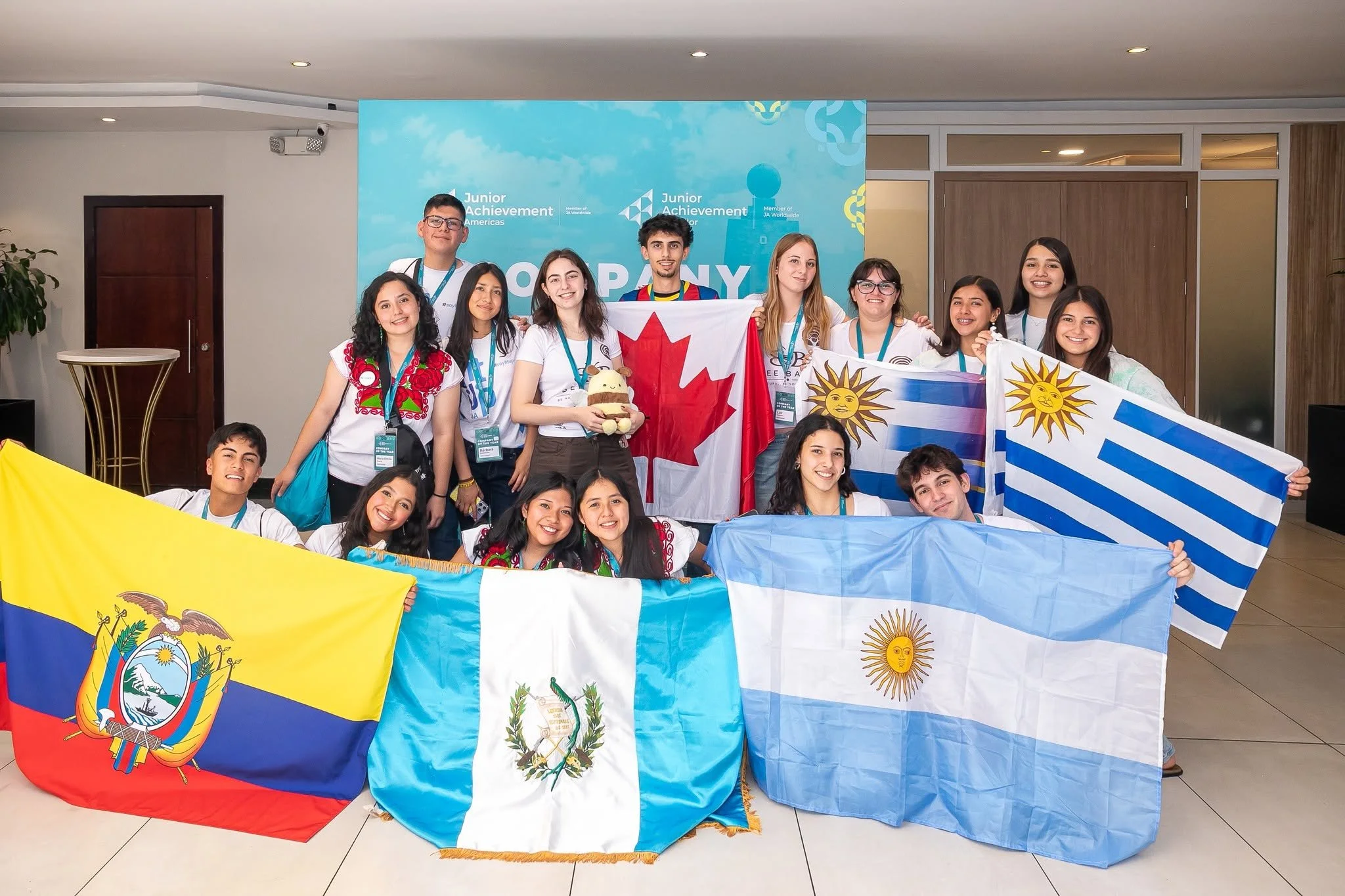
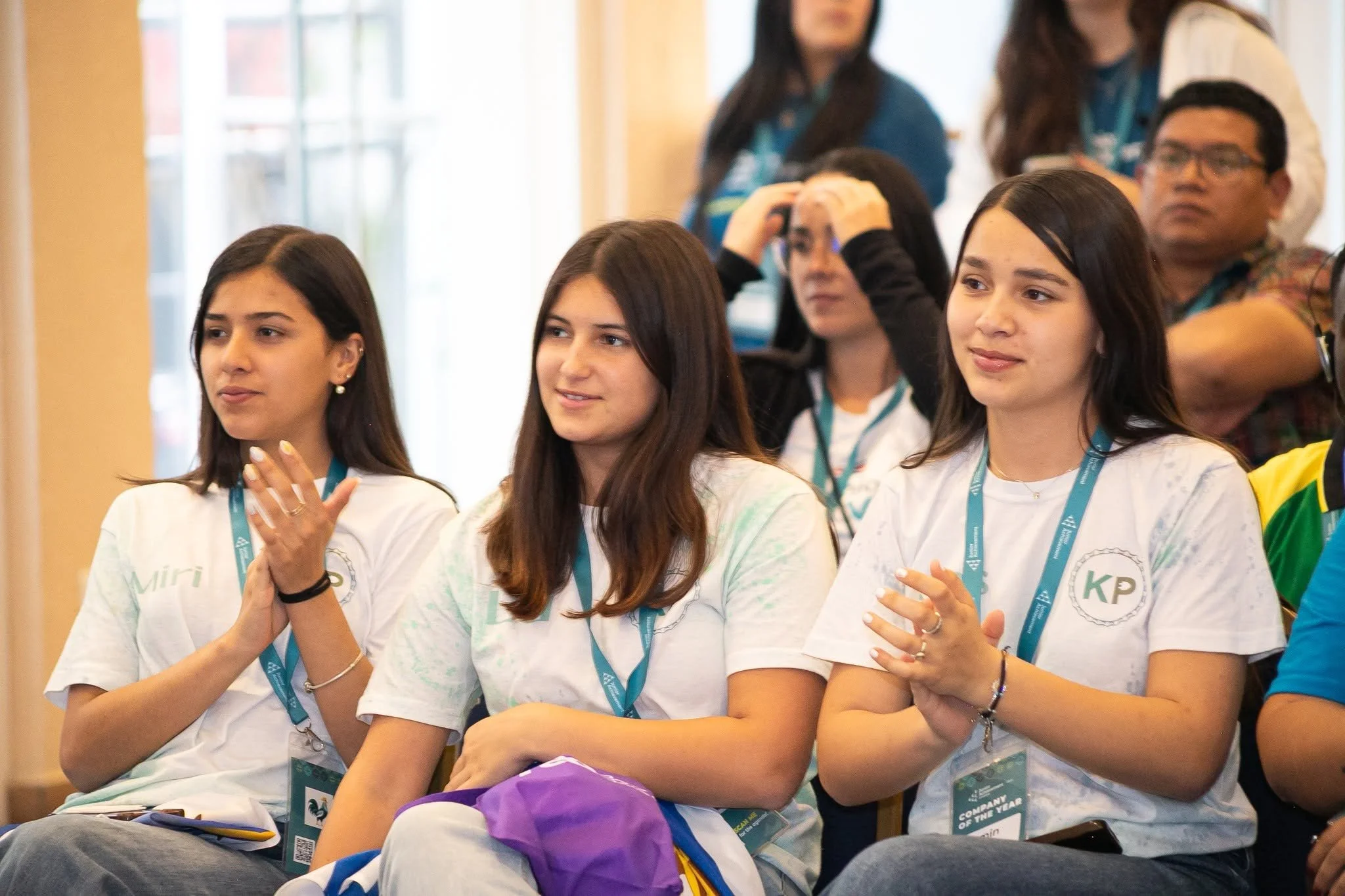
At this week's 2026 JA Americas Company of the Year (COY) Competition, hosted by JA Ecuador, high school students from 12 Americas region countries brought 20 student companies to Quito, Ecuador. From November 22–24, 2026, they showed visitors how their products worked, pitched their businesses, and explained the decisions behind them.
Through the JA Company Program, students learn to develop a product or service and run a business with guidance from volunteer mentors. In Quito, they had a chance to explain what they had built to people seeing it for the first time and compare their approach with those of student companies from across the Americas.
Meet the Student Companies
Argentina: Bee Balm makes beeswax lip balm packaged in biodegradable paper push-up tubes.
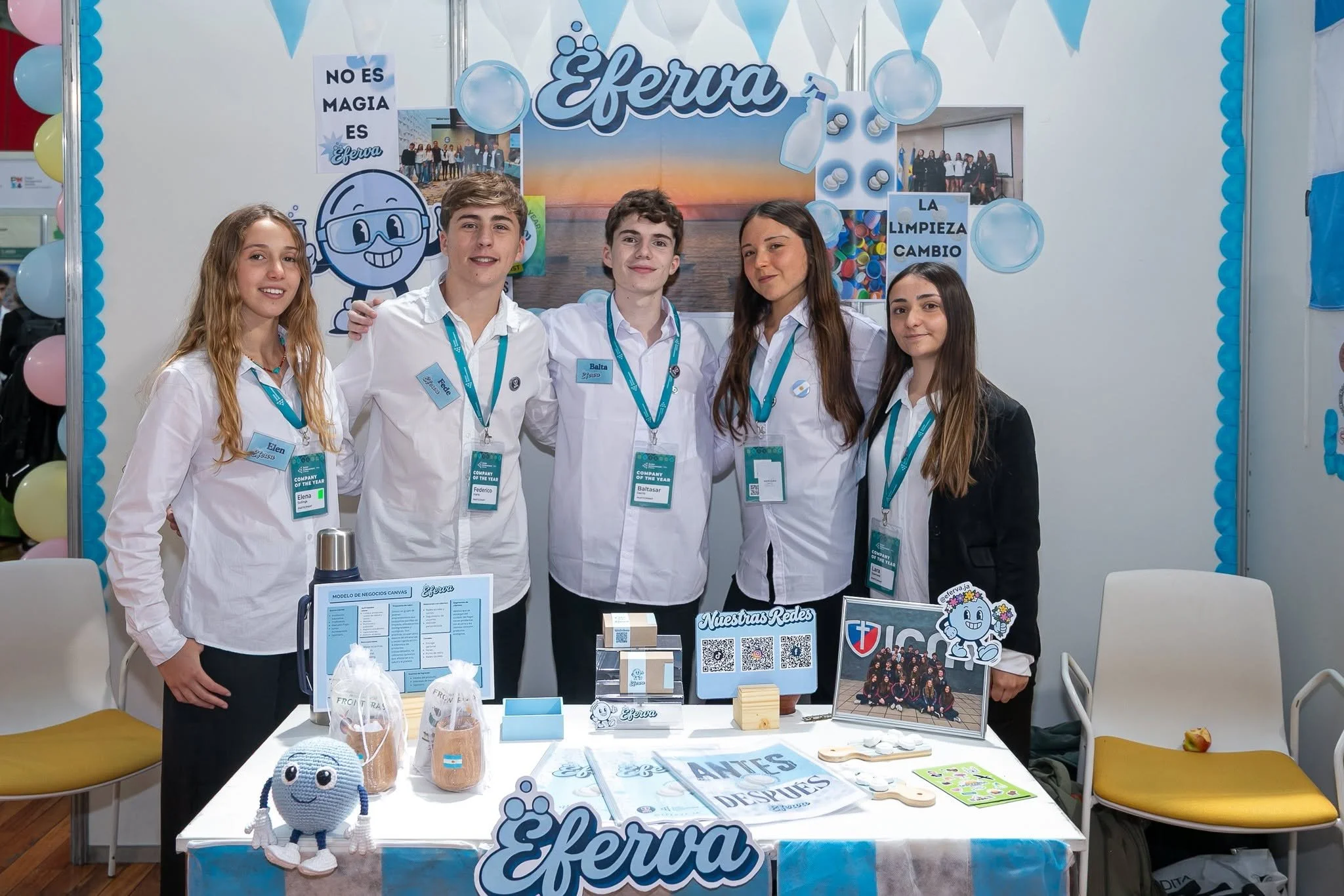
Argentina: Eferva offers kits with dissolving cleaning tablets as an alternative to cleaning products packaged in plastic.
Brazil: Militag created a keychain tag that uses near-field communication to share contact details and emergency information.
Brazil: Pet Pra Pet makes pet beds from repurposed plastic bottles and donates beds to animal welfare organizations.
Brazil: Piriquituxos sells plush covers by hand for hot-water bottles and supports two social institutions.
Canada: ReSwipe offers reusable cleaning kits with cloths and a pop-up sponge, designed to cut down on cleaning product waste.
Chile: Urban Tote makes and sells tote bags.
Costa Rica: Wi Care develops a camera-free monitoring system for older adults and pets that sends alerts to caregivers through a mobile app.
Ecuador: FitUp JA makes reusable glass bottles with personalized 3D-printed protectors and scannable features as an alternative to single-use plastic bottles.
Ecuador: Geckup JA’s sturdy magnetic organizers keep sports gear off the floor and directs part of its profits to a local care home.
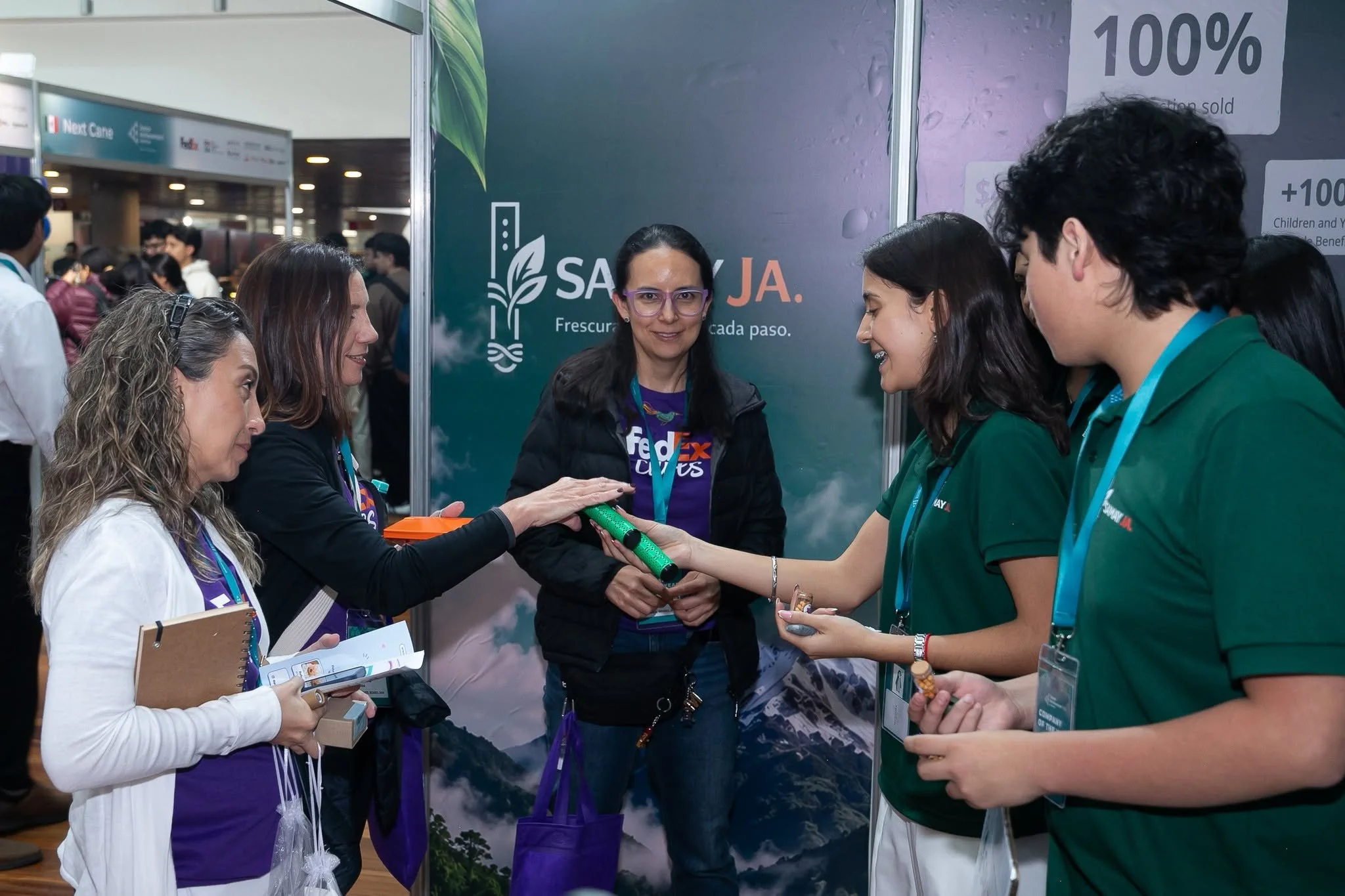
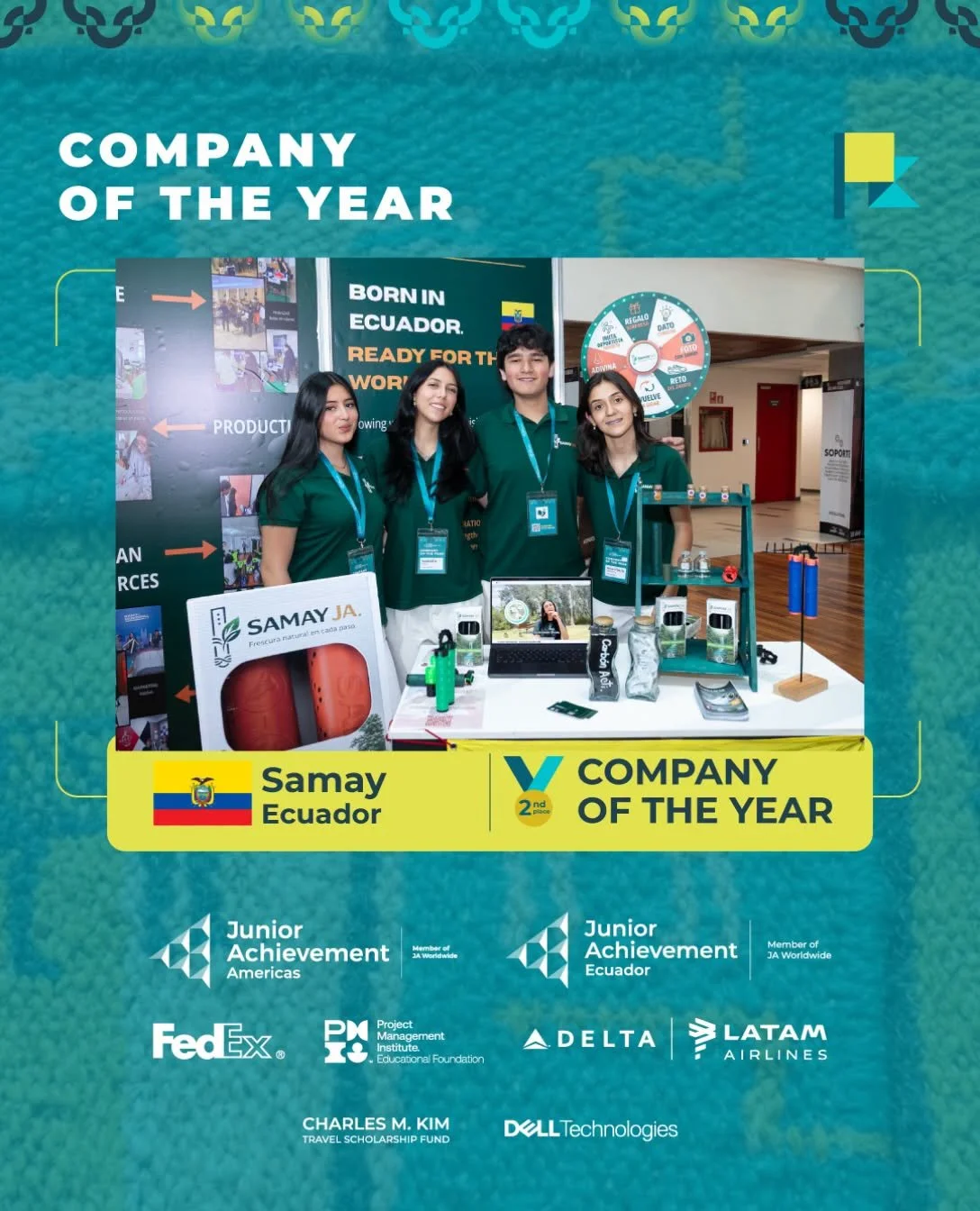
Ecuador: Samay JA makes STICKS, a reusable 3D-printed product designed to reduce moisture and odors in athletic shoes, backpacks, and closets.
Guatemala: Novara offers an online platform that helps young people identify their interests and skills before choosing what to study at university.
Jamaica: SoapLink makes soap bracelets so people can carry soap for handwashing on the go.
Mexico: Ameyalli turns organic waste into a biodegradable leather alternative and uses it to make fashion accessories.
Mexico: Next Cane develops a device that uses ultrasonic sensors and vibration alerts to help people with visual impairments navigate more independently.
Peru: Nottea makes three tea blends for young people using Peruvian ingredients and markets them for energy, focus, and sleep.
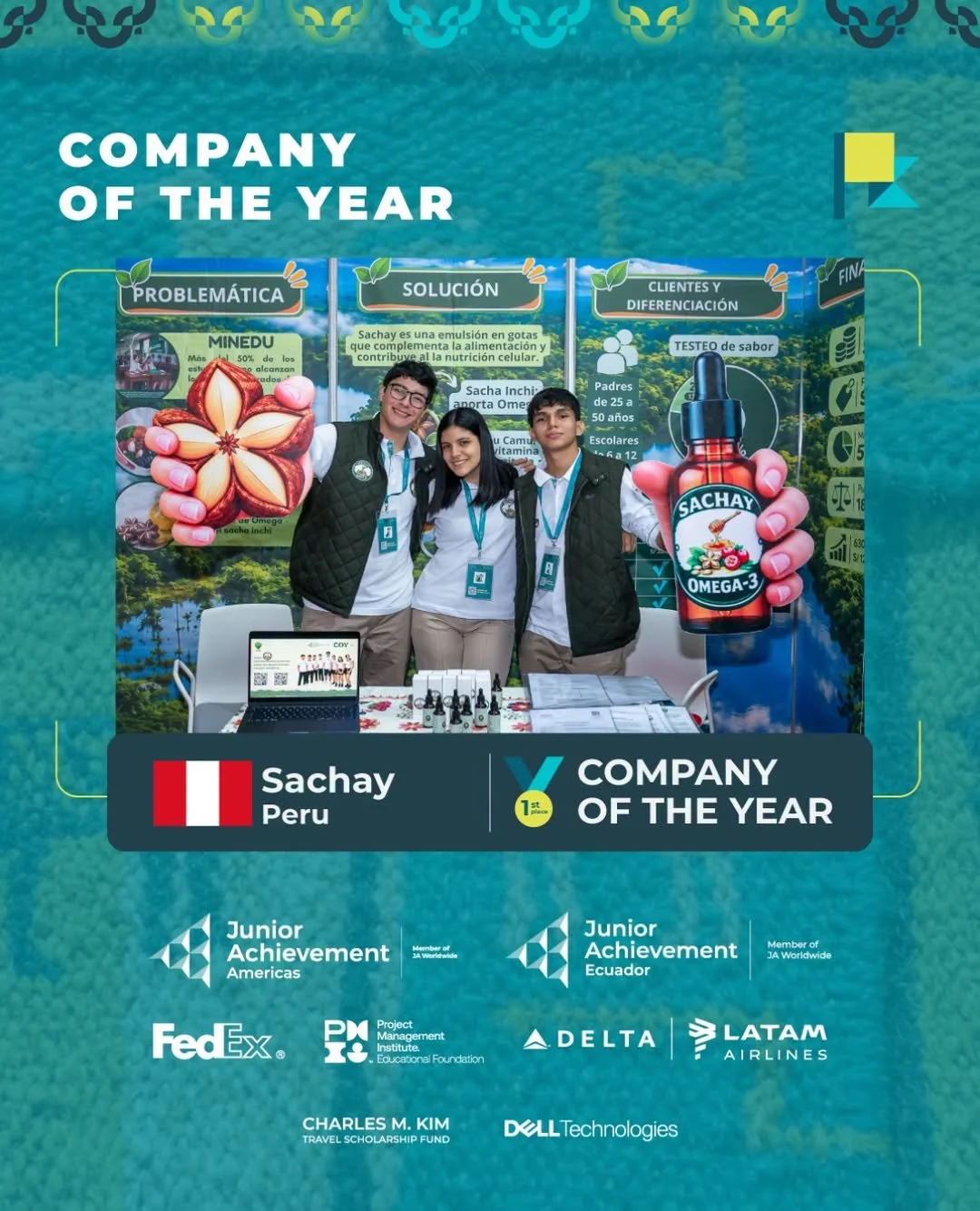
Peru: Sachay created and sells a drop-form supplement for children and adolescents using sacha inchi, camu camu, and Amazonian honey.
Peru: Solvix makes Cleanoa, biodegradable detergent sheets made with quinoa saponin.
St. Lucia: Shimmer and Shine handcrafts personalized decorative items using epoxy resin and local materials.
Uruguay: Kapora turns used plastic bottle caps and tire inner tubes into technology products.
From Trade Fair to Pitch Stage
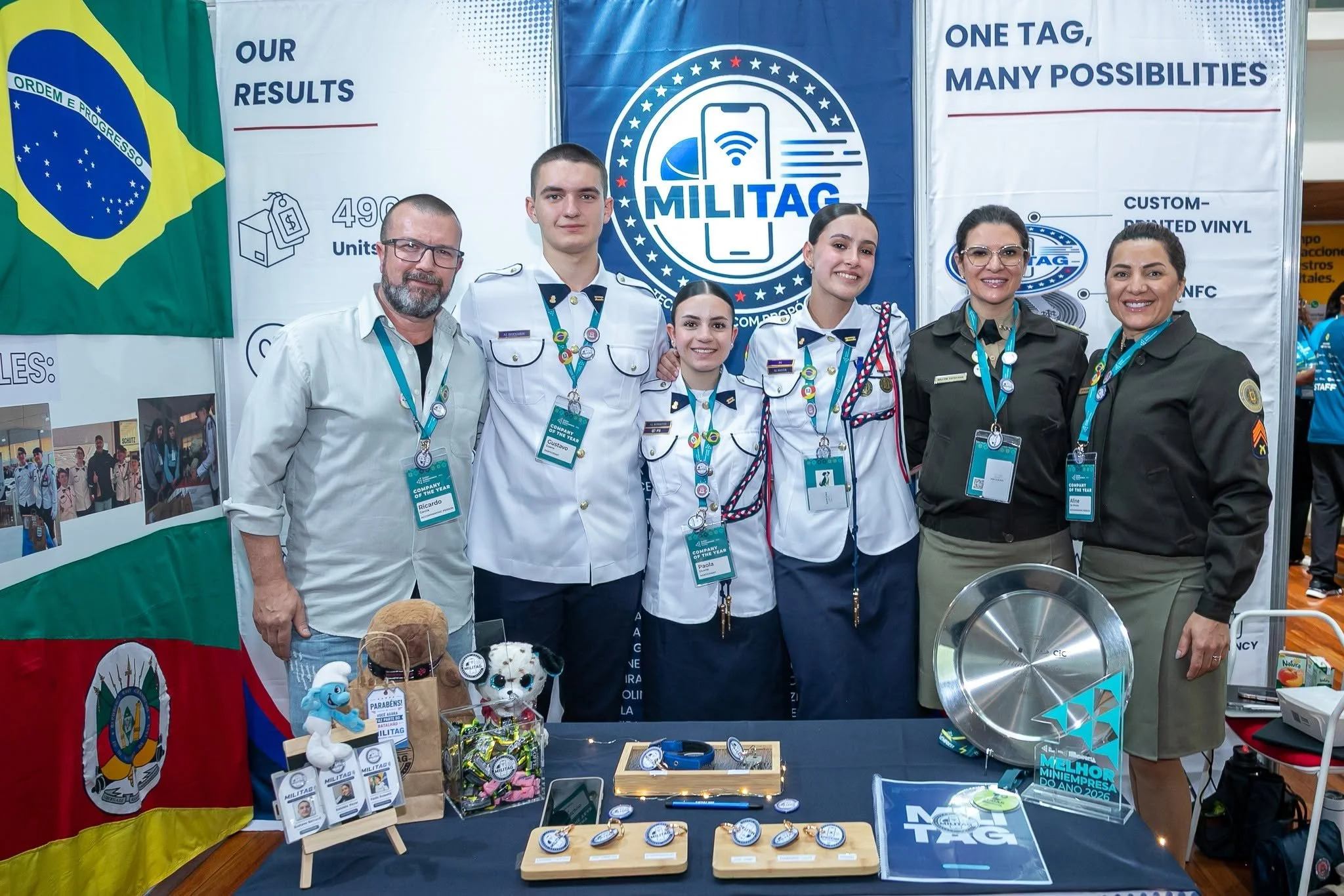
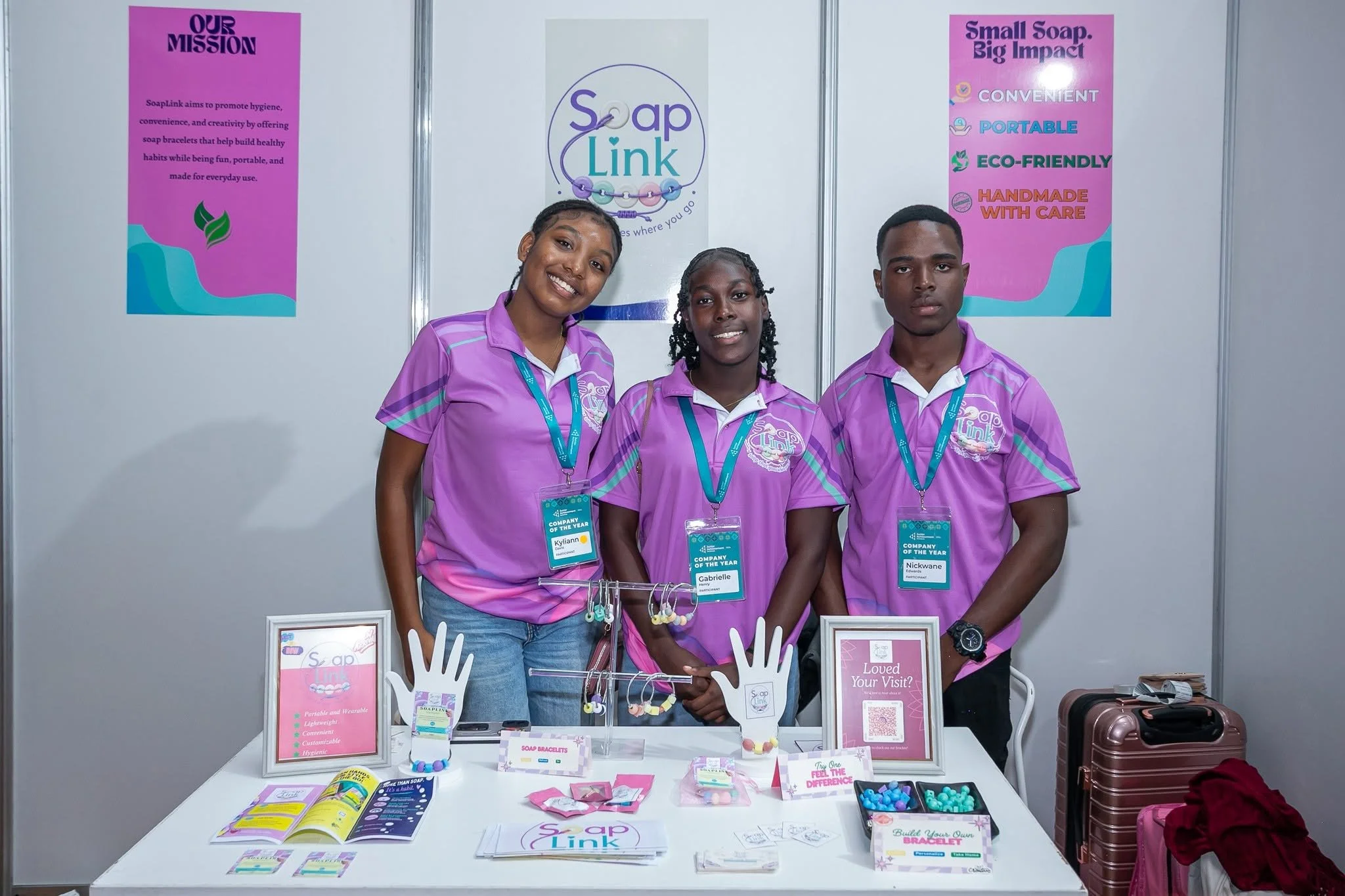
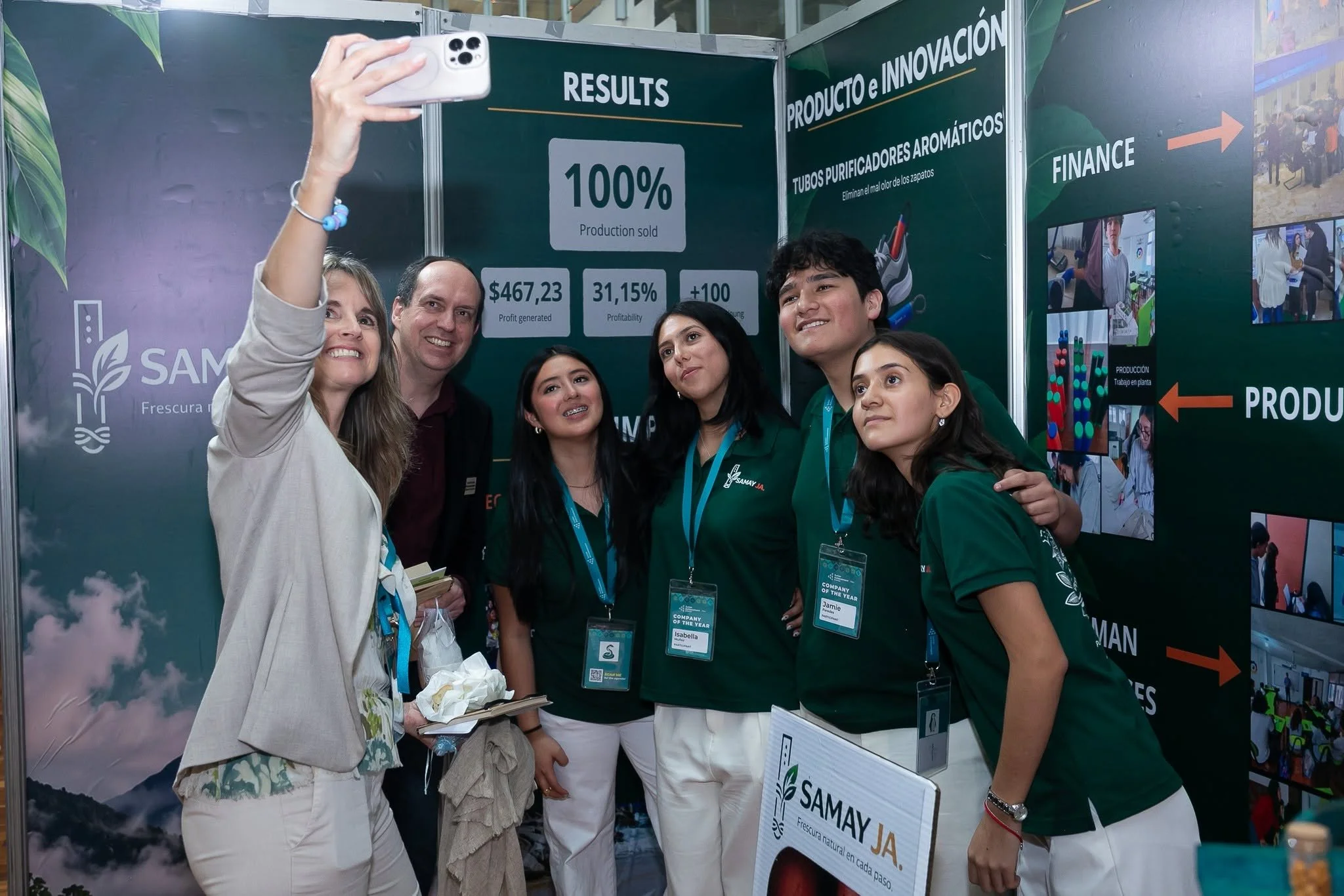
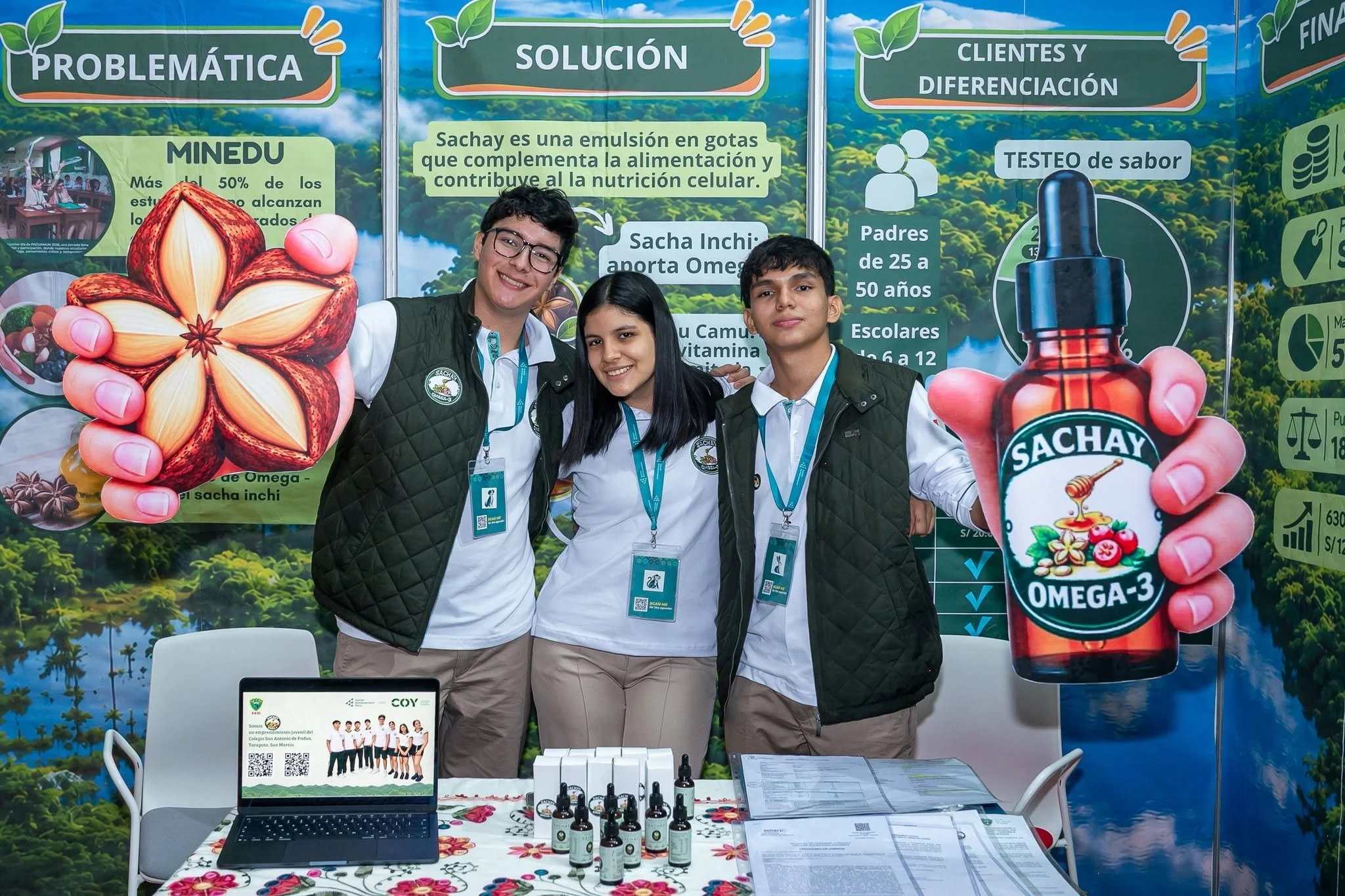
JA Company Program competitions help students practice what they’ve learned through the learning experience. They test ideas with real audiences, learn from peers and professionals, and build confidence as entrepreneurs.
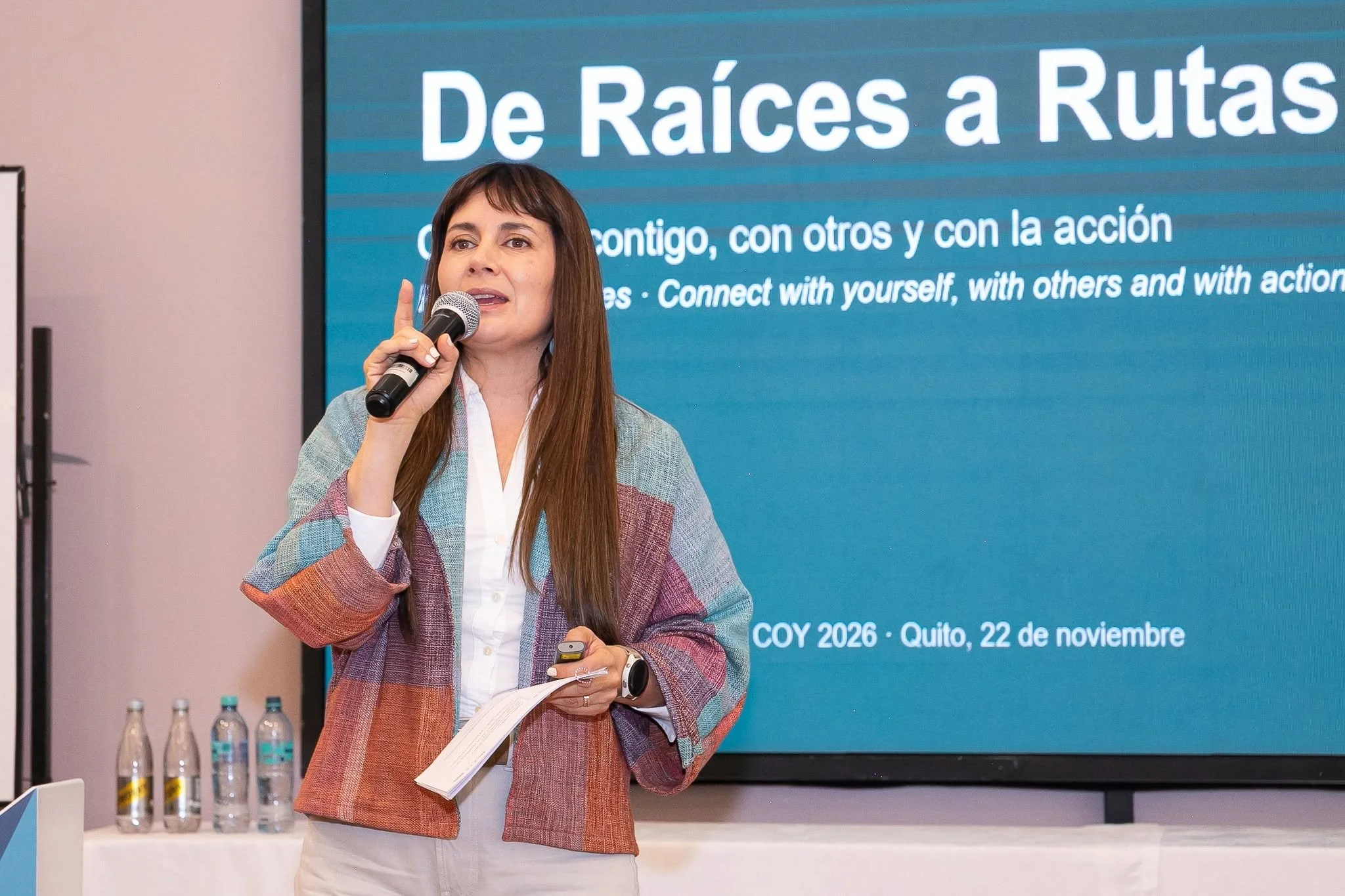
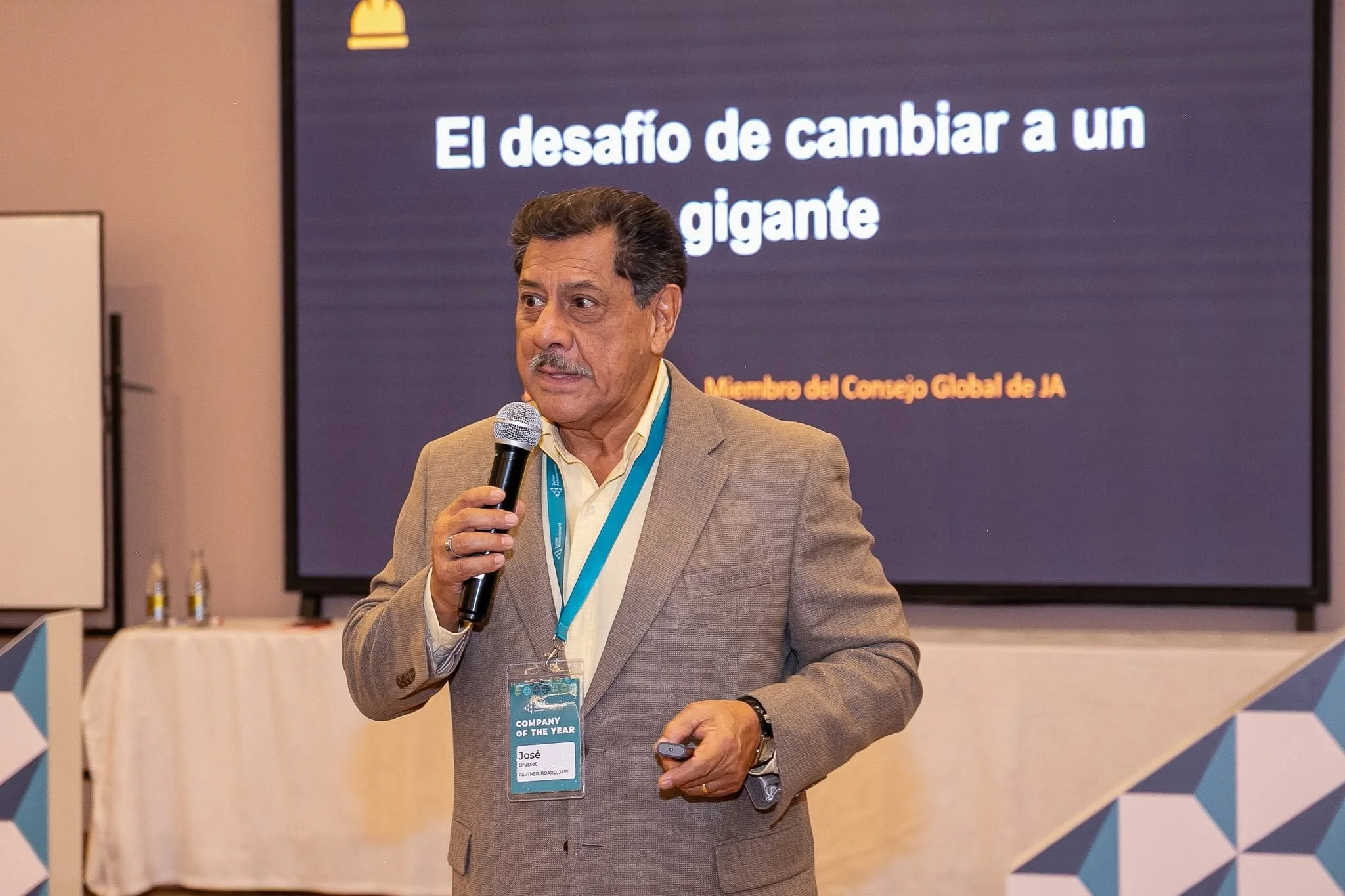
In Quito, students met peers from other JA locations at the opening on Day 1. They also heard from Michelle Arévalo-Carpenter, co-founder and general partner of IMPAQTO Capital; Jose Brousset, founder of B&B Consulting and a member of the JA Worldwide Global Council; and Ileana Tapia, founder of Sicurezza and a JA alumna.
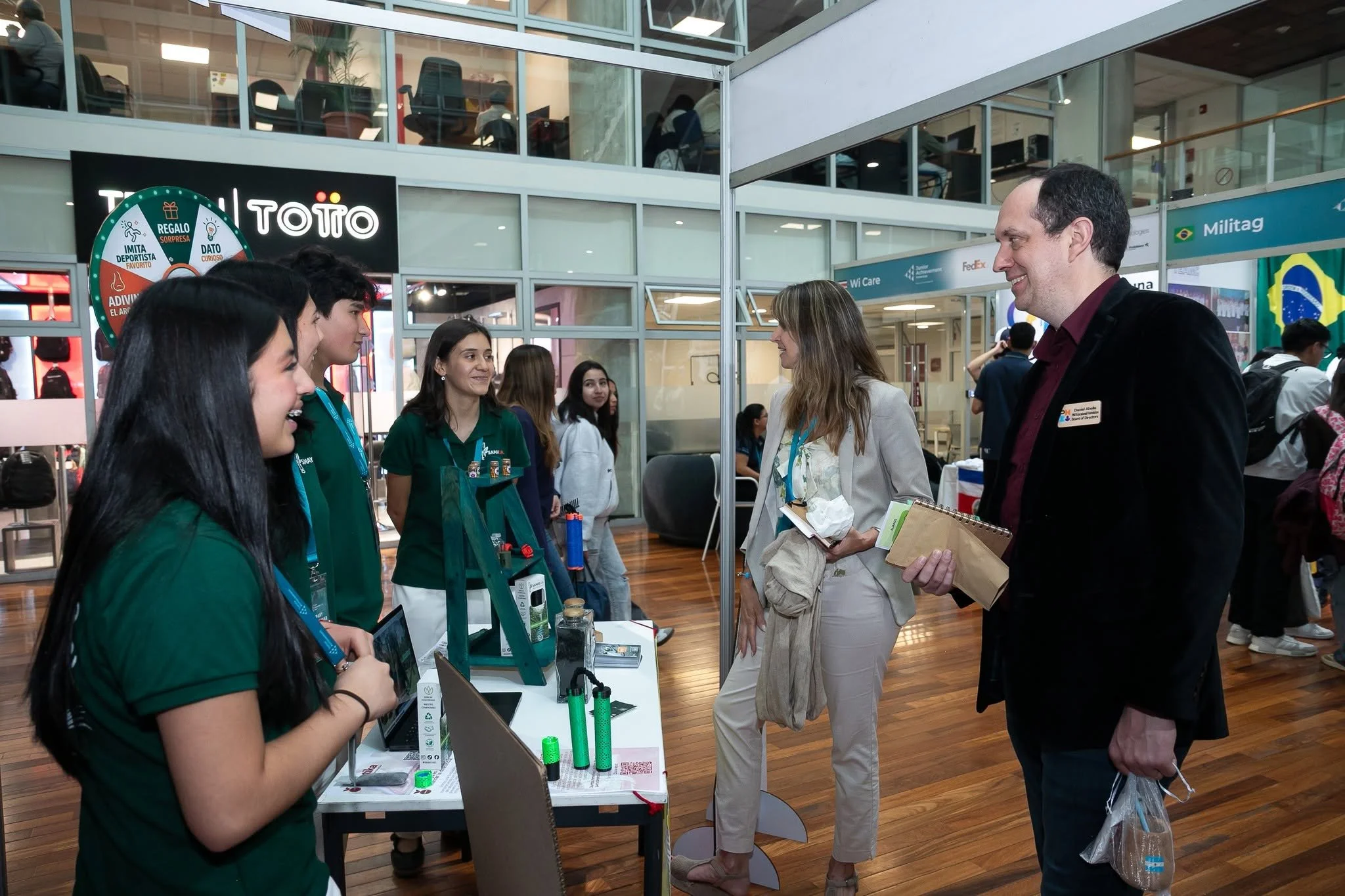
At the public entrepreneurship fair on Day 2, students explained their businesses to visitors who were seeing them for the first time. In the afternoon, each company pitched its business to a panel of judges. Each had to make the case for the business behind the product, from who it serves to how the company reached those customers.
On Day 3, students reflected on their experiences in interviews and took part in sessions with Asheesh Advani, CEO of JA Worldwide; Rakesh Shalia, Vice President of Marketing, Communications, and Customer Experience at FedEx Latin America and the Caribbean; Juan Pablo Montúfar, co-founder of The Bouqs Company; and Brad Geddes, President and CEO of Zucora and a founding member of the JA Worldwide Global Council. After touring Quito’s historic center, students returned for the awards ceremony.
The Awards
The FedEx Global Possibilities Award recognizes the JA student company with the greatest potential for global expansion.
Winner: Militag, JA Brazil
The PMIEF Project Success Award recognizes the JA student company that stood out for the success in the execution of its project.
Winner: Eferva, Junior Achievement Argentina
The Delta Social Impact Award recognizes the JA student company chosen for its greatest capacity to create social impact.
Winner: Pet Pra Pet, JA Brazil
The Alumni Award recognizes teams that demonstrate outstanding leadership, making a positive impact on their members and the JA student company. This award celebrates a team's collective strength, collaboration, and achievements throughout its journey in the company program.
Winner: Nottea, JA Peru
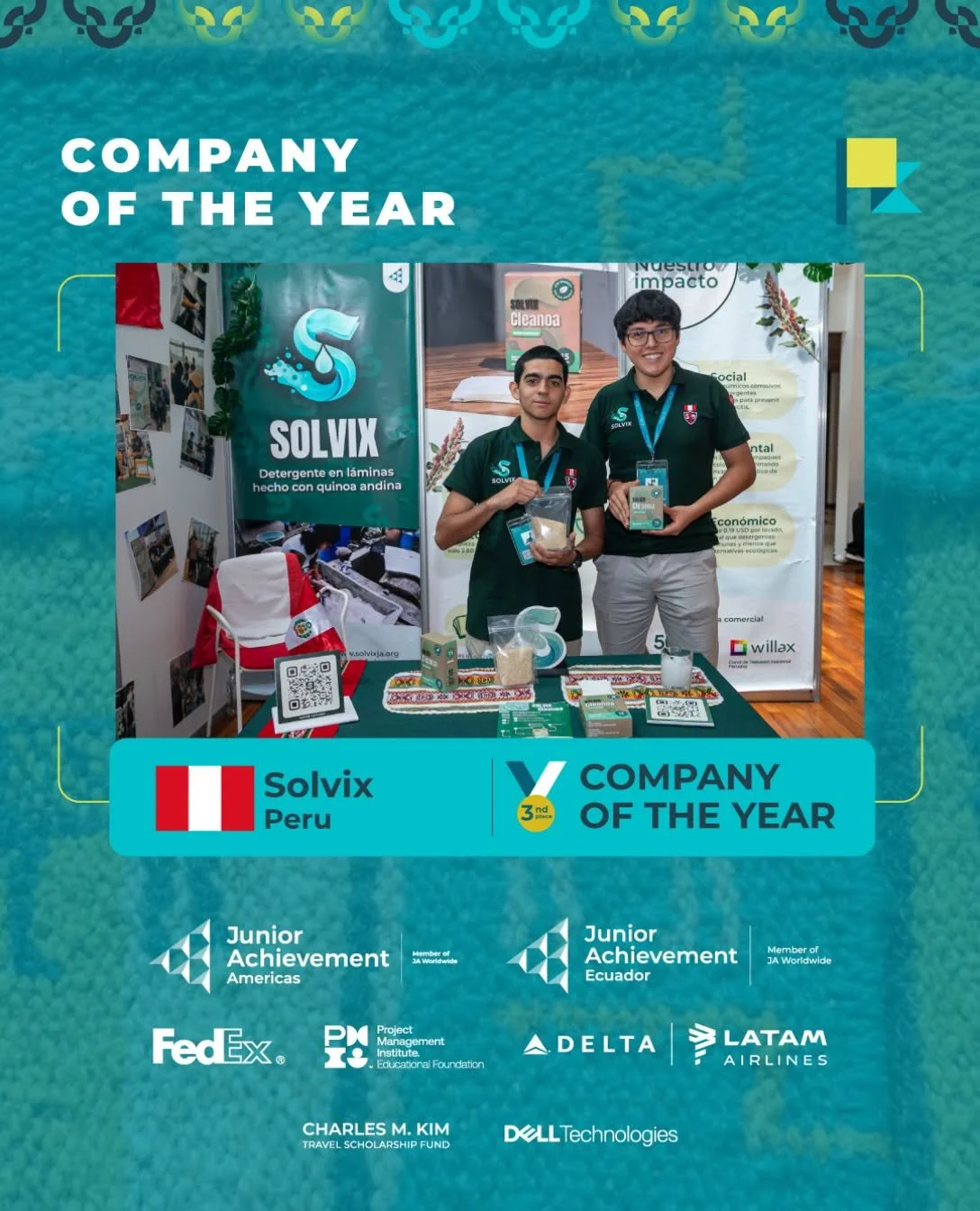
Company of the Year
Third place: Solvix, JA Peru
Second place: Samay, JA Ecuador
First place, JA Americas Company of the Year 2026: Sachay, JA Peru
As JA Americas Company of the Year, Sachay will represent the region and compete for the 2027 De La Vega Global Entrepreneurship Award alongside the regional champions from JA Asia Pacific (Wealth Wizards, JA Hong Kong SAR–China), Junior Achievement USA (EVO, Junior Achievement of Southeast Texas), JA Europe (Lipigo, JA Slovakia), INJAZ Al-Arab/JA MENA (Rootsense, INJAZ Egypt), and JA Africa (COY, December 2–4, in Cape Town, South Africa).
Learn more about the De La Vega Global Entrepreneurship Award and previous winners.