May 2026 CEO Letter

Dear colleagues,
For more than a century, JA has helped young people prepare for the future—and throughout our history, we’ve also helped young people shape it. Across the JA network, generations of young people have built businesses, solved community problems, advocated for new ideas, and contributed their perspectives to conversations that matter. We’re proud to be part of a broader global community of NGOs, educators, youth-serving organizations, and non-profits that believe young people should not simply inherit the future, but actively help create it.
That philosophy has long been reflected throughout JA. Every time a volunteer listens seriously to a student’s idea, a young entrepreneur presents a solution to a real-world challenge, or a JA alumnus returns to mentor the next generation, we reinforce the belief that young people are active contributors to thriving communities.
Over the years, JA Worldwide has increasingly deepened our efforts to connect young alumni across borders and regions through inspirational events, global convenings, entrepreneurship competitions, partnerships with mobile-native platforms popular with young people, and leadership opportunities at the global, regional, and national levels of the network. One of our most visible initiatives, youthvoices.org, was developed in collaboration with Accenture, MIT Center for Constructive Communication and Cortico to better understand young people’s lived experiences, aspirations, and perspectives through large-scale listening and dialogue.
We have seen JA students and alumni contribute meaningfully at global gatherings concurrent with the World Economic Forum, the United Nations General Assembly, and regional, national, and local forums around the world. For example, JA Africa’s 10 Million African Girls (10MAG) initiative has elevated youth empowerment to new heights such as during the annual LEAD camp, as shown on Delta flights recently in this award-winning video documentary.) Last year, JA Europe organized Javos, a highly successful youth-first dialogue where young leaders were able to put questions to business leaders and government leaders in a forum led by social media influencers. And I could list many more youth-empowerment initiatives spreading across the JA network.
Our newest initiative, World Youth for Action, is a natural extension of JA’s alumni and youth engagement strategy. World Youth for Action is not a single event. It is a long-term youth engagement initiative designed to deepen connections among young people across the JA network and elevate youth perspectives in shaping the decisions, systems, and policies that affect their present and future. The initiative focuses on a different challenge or opportunity every one to two years and create meaningful structures for youth-led dialogue, collaboration, and recommendation-building.
In 2026, we’re focused on one of the most important global conversations of the coming decade: what should follow the United Nations Sustainable Development Goals when they conclude in 2030? The UN will begin formal work on that topic in September 2027, so the timeframe to contribute to those discussions is already approaching.
Over the next six months, young people from around the world will participate in virtual cohorts, regional listening labs, and a global summit in India (concurrent with the JA Worldwide Board of Governors meeting) focused on this question. Together, they will explore what thriving communities require in their local contexts, what current systems may be missing, and what priorities should shape the next generation of global goals.
We’re building this initiative in collaboration with other global youth-serving organizations, researchers, practitioners, business leaders, and policy experts. Our goal is meaningful intergenerational collaboration that produces thoughtful, practical, youth-led recommendations. In 2027, those recommendations will be formally presented to the United Nations and co-signed by a coalition of global youth-serving organizations.
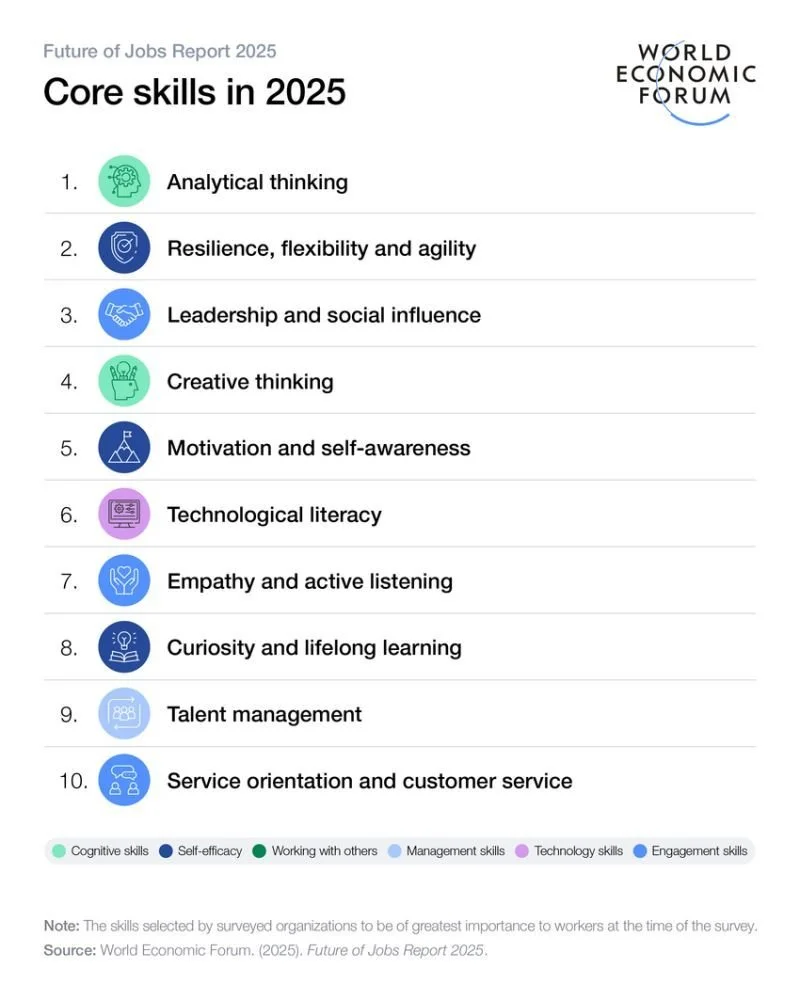
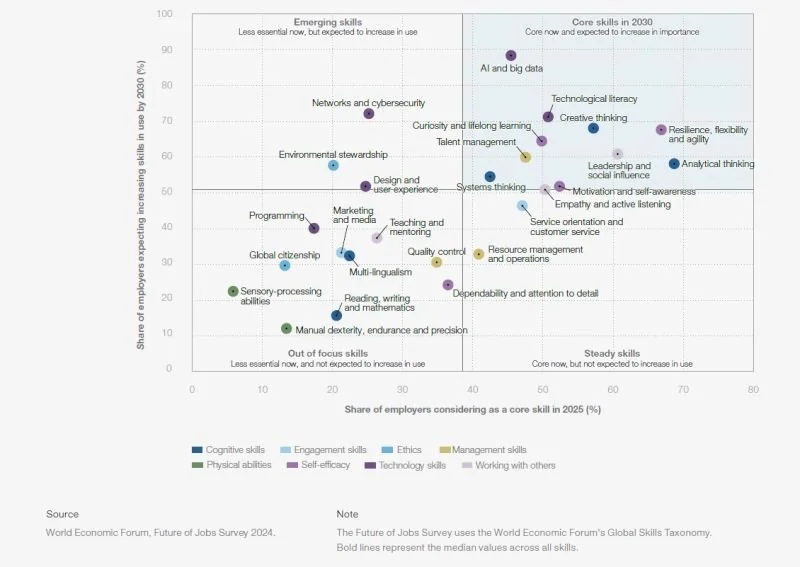
Of course, this isn’t the first time JA has contributed to high-level global discussions. Most recently, we have contributed to policy discussions connected with the G20’s gathering of Education Ministers and the World Economic Forum’s Education 4.0 initiative and Future of Jobs reports. Similar, JA’s regional operating centers and JA members contribute every day to conversations with ministries of education, government agencies, and civic leaders around the world. Across JA Worldwide and all six regions, our strategies are increasingly aligned around cultivating partnerships that embed JA learning experiences into school systems and curricula, while also deepening collaboration with educators, non-profit organizations, and private sector partners that share our commitment to preparing young people for the future. (We recently started to highlight these partnerships in each OneJA newsletter.) World Youth for Action is a continuation of this work, but it is distinctive because the recommendations will come directly from young people themselves.
What excites me most is the philosophy behind it. Young people today are already navigating environments shaped by collaboration, rapid technological change, and global interconnectedness. They are adapting constantly across cultures, communities, and platforms. The institutions and networks that thrive in the future will be those willing to evolve alongside them, inviting young people to be active rather than passive in improving educational systems.
Until next time,
Asheesh