
Building Resilient Futures: Z Zurich Foundation and JA Worldwide
April 29, 2026
Young people are coming of age in a world defined by uncertainty. Economic volatility, climate disruption, geopolitical instability, rapid technological change, and shifting labor markets shape daily decisions about education, work, migration, and family responsibility. For millions of young people, especially those growing up in underserved communities, the pathway from school to employment has become less predictable than at any point in recent history.
In this context, resilience is critical to students’ success. The ability to adapt when plans change, persist when opportunities are unevenly distributed, and imagine a future that does not yet exist enable a new path to emerge.
Building resilient futures means equipping young people not only with technical knowledge, but with confidence, problem-solving ability, agency, and the experience of navigating real-world challenges, so that young people are better prepared to transition from school to work.
That is why JA worldwide and Z Zurich Foundation partner. At its core, our work is about expanding what is possible for young people from all backgrounds, geographies, and circumstances, by connecting education to real economic opportunity, strengthening the local ecosystems that support youth, and ensuring that learning experiences reflect the realities young people will face in work and life. It is about recognizing that resilience is built through experience: teamwork, iteration, mentorship, failure, and reflection, and supported by systems that are intentional, inclusive, and designed to scale.
Together, we’re are investing in young people across regions and contexts—through entrepreneurship education, work readiness pathways, volunteer engagement, and global capacity building—so that resilience is not left to chance. What follows are the stories of how that investment takes shape on the ground.
Global Challenge Grants and Capacity Building across the JA Network
Z Zurich Foundation and Zurich Insurance, together with JA Worldwide, have launched Global Challenge Grants, capacity-building initiatives, and a region-wide entrepreneurship program. Each of these initiatives supports JA member organizations in delivering and evolving work readiness and entrepreneurship learning experiences in their local contexts. Participating JA organizations are empowered to lead with local relevance while contributing to shared learning, stronger tools, and long-term scalability, as follows.
Algeria (INJAZ El Djazair): When Zaber Khadidja, a chemical engineering student, stepped into the JA Company Program, she did not yet see herself as a business leader. As the team lead of BioFlex, a student-run company, she learned what it meant to make decisions collectively, navigate uncertainty, and persist when ideas didn’t work the first time. Through the experience, her team grew not only a business concept, but a sense of confidence and cohesion—learning that resilience is built through collaboration and shared responsibility. For Zaber, the program transformed entrepreneurship from a distant concept into a lived experience of leadership and possibility.
Bahrain (INJAZ Bahrain): For students behind Themaar, entrepreneurship began with hesitation. The idea felt ambitious—perhaps too ambitious. Through JA learning experiences supported by the Z Zurich Foundation, students were encouraged to test assumptions, seek feedback, and move forward despite uncertainty. With mentorship and structure, doubt gave way to momentum. The experience helped students understand that resilience isn’t about having all the answers, but about continuing to act, refine, and learn even when outcomes aren’t guaranteed.
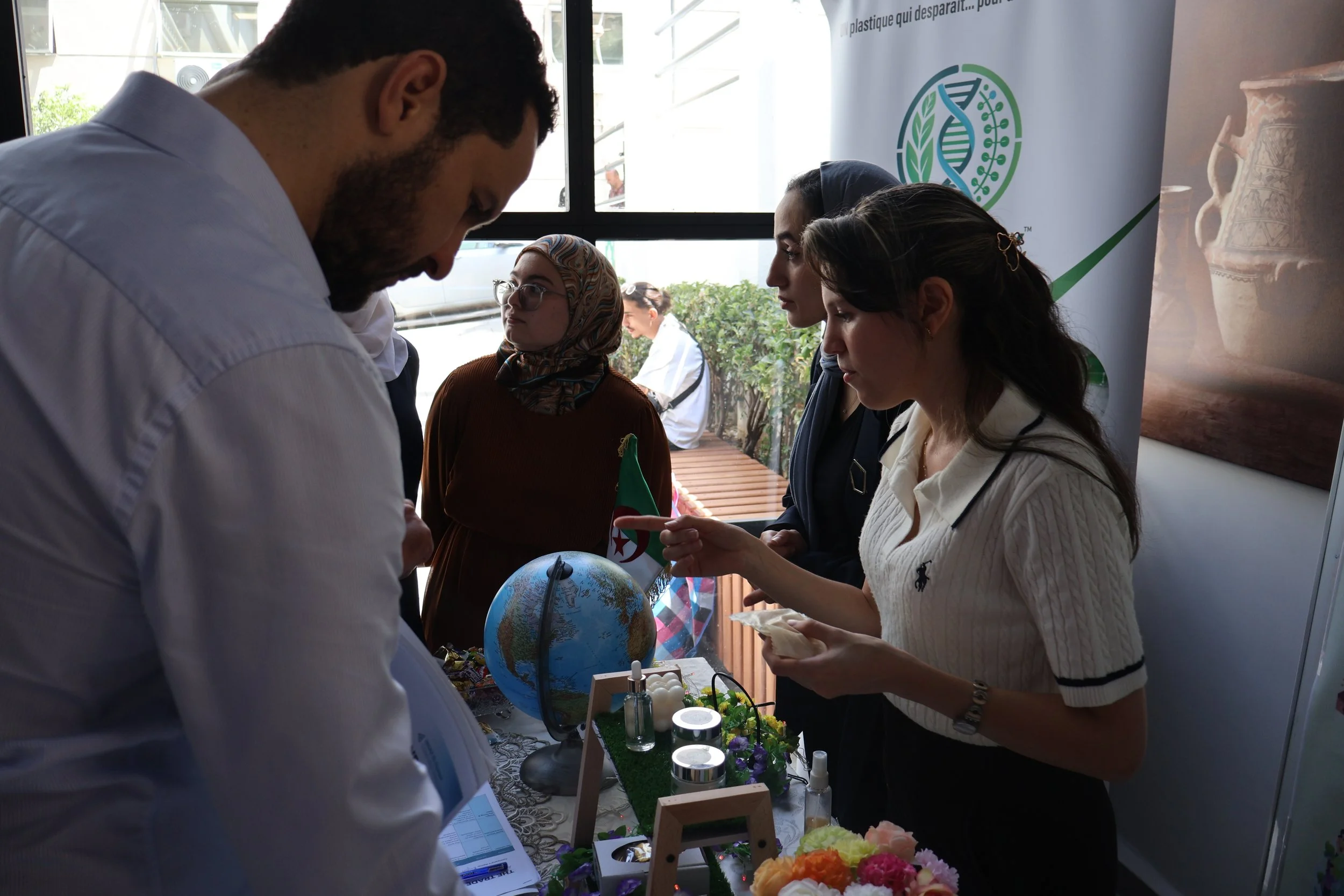
Algeria
China (JA China): For members of Yunzhou Company, a student team participating in the JA Company Program, product development quickly became an exercise in persistence. Early ideas didn’t always translate into viable solutions, and the team had to revisit assumptions repeatedly. Through that process, students learned that innovation requires patience, adaptability, and the willingness to rethink—not just creativity. The experience helped them understand that resilience is built through iteration and problem-solving, not instant success.
France (EPA France): Z Zurich Foundation support helps EPA France connect entrepreneurship education with real societal challenges through Entreprendre Pour son Avenir. Students work on projects that address sustainability, community development, and responsible innovation. One such initiative, Eco Carros, invited students to reimagine neighborhoods through eco-friendly design, focusing on pollution reduction and waste management. Experiences like these help students see themselves not only as future workers, but as contributors to solutions in their own communities.
Hong Kong SAR–China (JA Hong Kong): A team of students in Hong Kong approached entrepreneurship through an unexpected lens: game design. As they built a board game, they began asking deeper questions about fairness, rules, and user experience. Using artificial intelligence, they tested scenarios and refined mechanics—learning how emerging technologies can be applied thoughtfully and responsibly. The process challenged them to collaborate, debate trade-offs, and think beyond technical execution, strengthening their confidence in navigating complex problems.
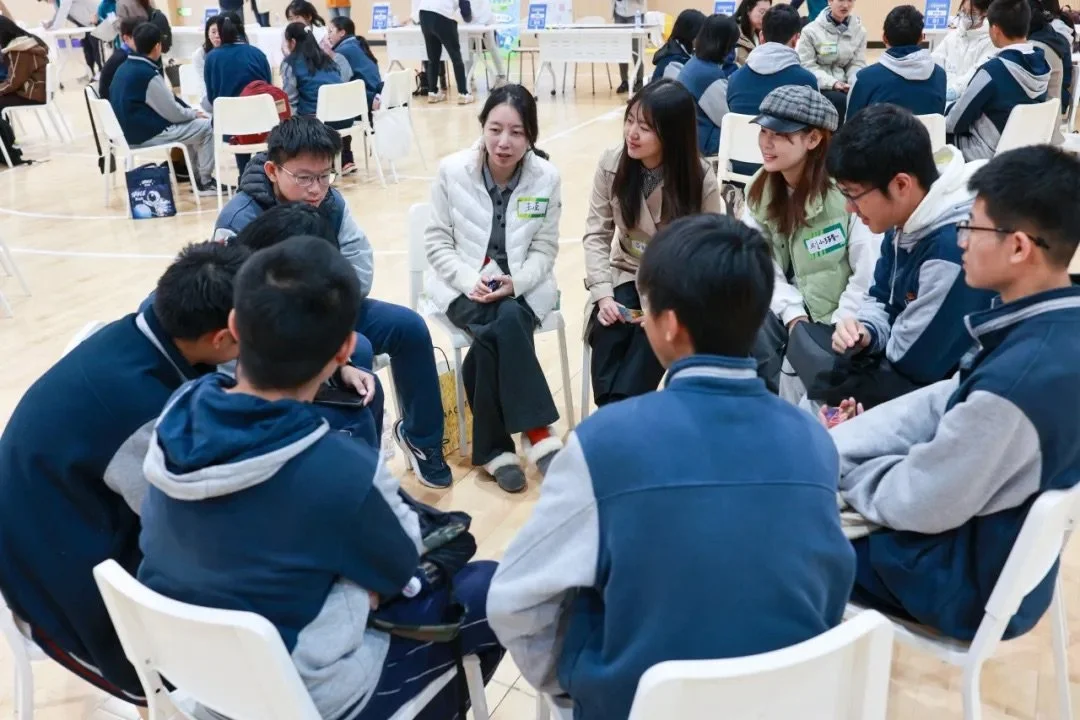
China
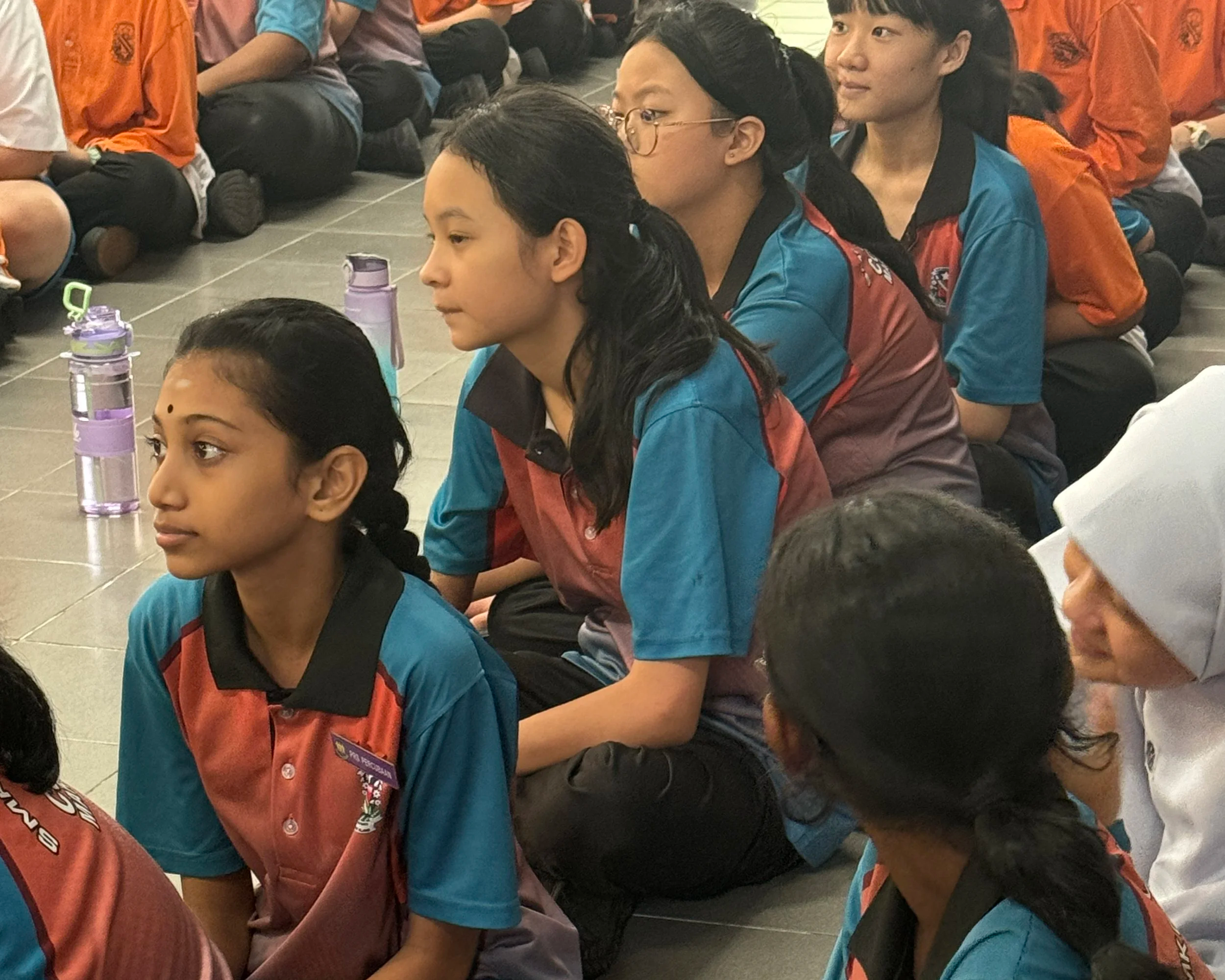
Malaysia (JA Malaysia): In Malaysia, students participating in learning experiences describe discovering how ideas become plans—and how plans become action. Through teamwork, pitching, and real decision-making, they practiced communicating clearly, resolving differences, and presenting value to others. These experiences helped students build confidence not only in entrepreneurship, but in their ability to engage professionally and purposefully with the world beyond school.
México (JA México): In México, the partnership supports JA programs delivered through a digital education platform serving youth ages 15–25. These learning experiences help young people make informed decisions about education, employment, and entrepreneurship at critical transition points. By combining accessible digital delivery with practical guidance, the program supports clarity and confidence, helping participants better understand their options and take ownership of their next steps.
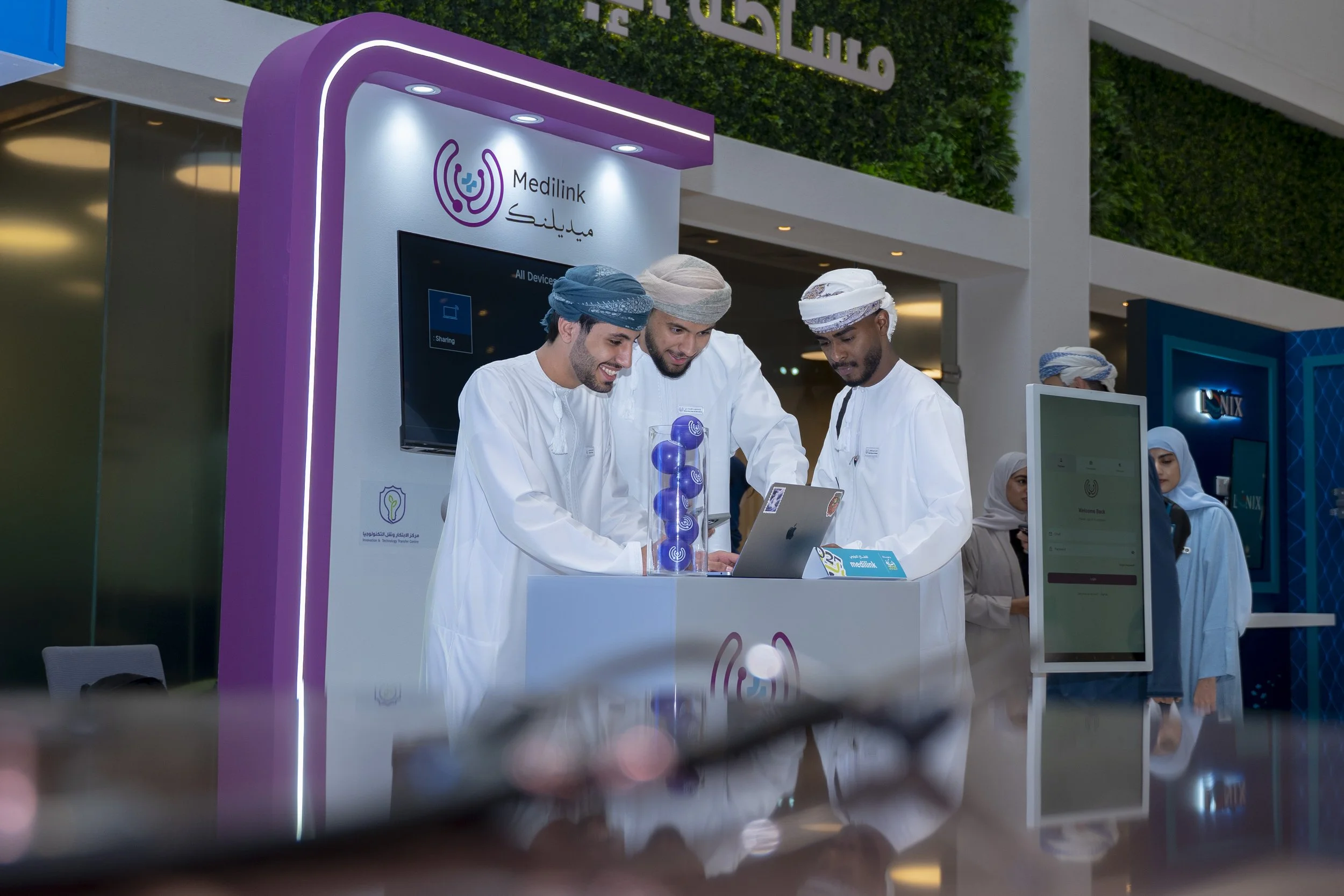
Oman (INJAZ Oman): In Oman, we focus on helping students translate ambition into action. Through structured entrepreneurship learning, students gain exposure to planning, goal-setting, and problem-solving, often for the first time. Testimonials from participants reflect a shift in mindset: from self-doubt to belief in their ability to shape outcomes through effort and learning.
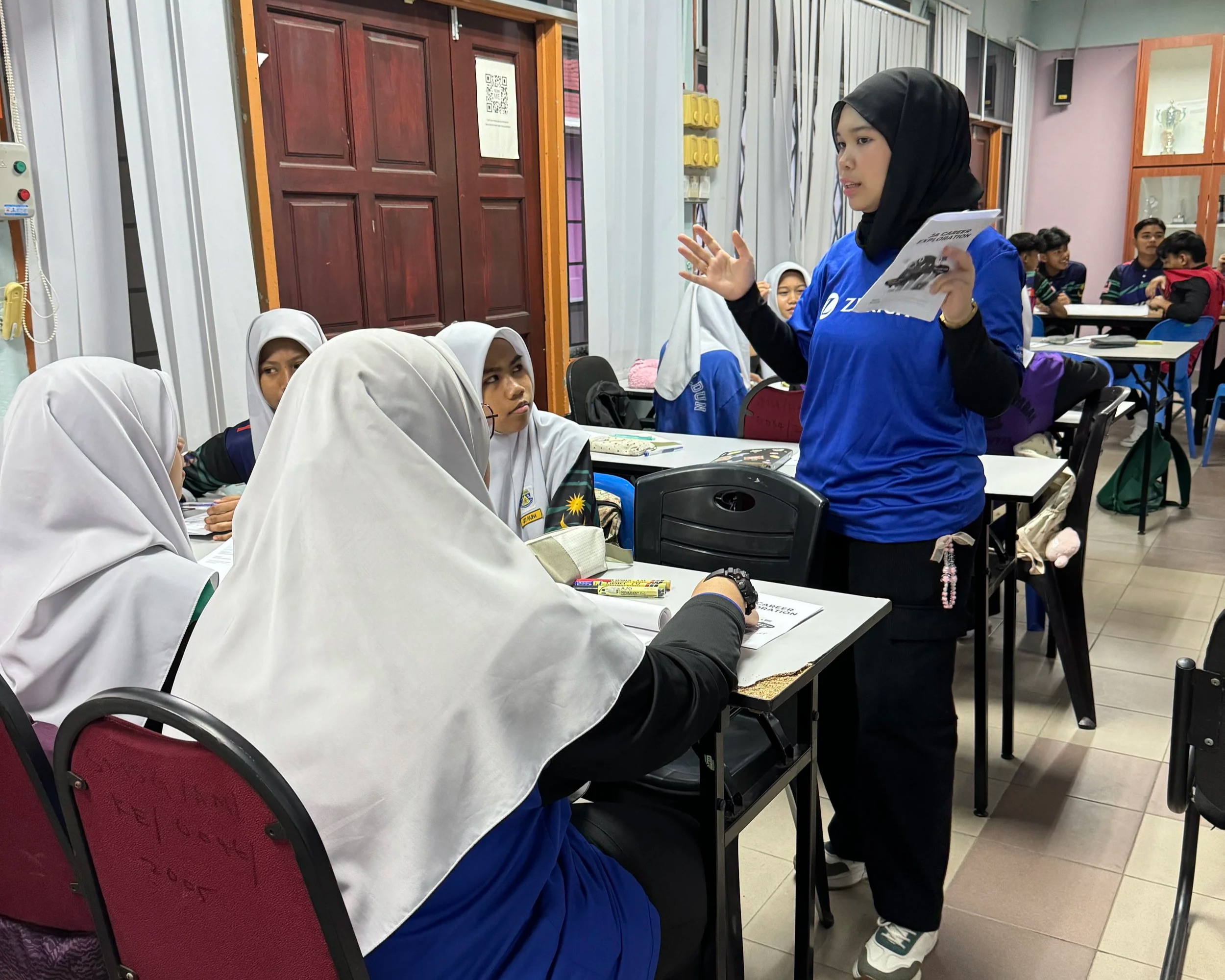
Malaysia
Philippines (JA Philippines): In the Philippines, educators and partners created JA learning experiences that connect academic learning to real-world application. Through entrepreneurship and work-readiness programs, young people build practical skills while gaining encouragement from teachers and mentors. For many participants, the experience offers both direction and motivation, reinforcing that their futures are something they can actively shape.
Poland (JA Poland): In Poland, students participated in Job Shadow Day experiences hosted at the Zurich Insurance office in Kraków. For many, it was their first exposure to a professional workplace. Meeting employees, asking questions, and seeing careers firsthand helped demystify work environments and expand students’ sense of what is possible.
Portugal (JA Portugal): In Portugal the emphasis is on experiential learning that builds confidence through practice. Students engage in activities that require communication, teamwork, and initiative—skills that are essential regardless of career path. These experiences help young people recognize their own capabilities and prepare to navigate future opportunities with greater assurance.
Slovakia (JA Slovensko): In Slovakia, impact extends beyond students to educators themselves. Teachers participating in digital skills and entrepreneurship programs describe gaining new tools and confidence to guide students through modern learning experiences. As educators strengthen their own capabilities, they become better equipped to support youth in developing resilience, curiosity, and adaptability.
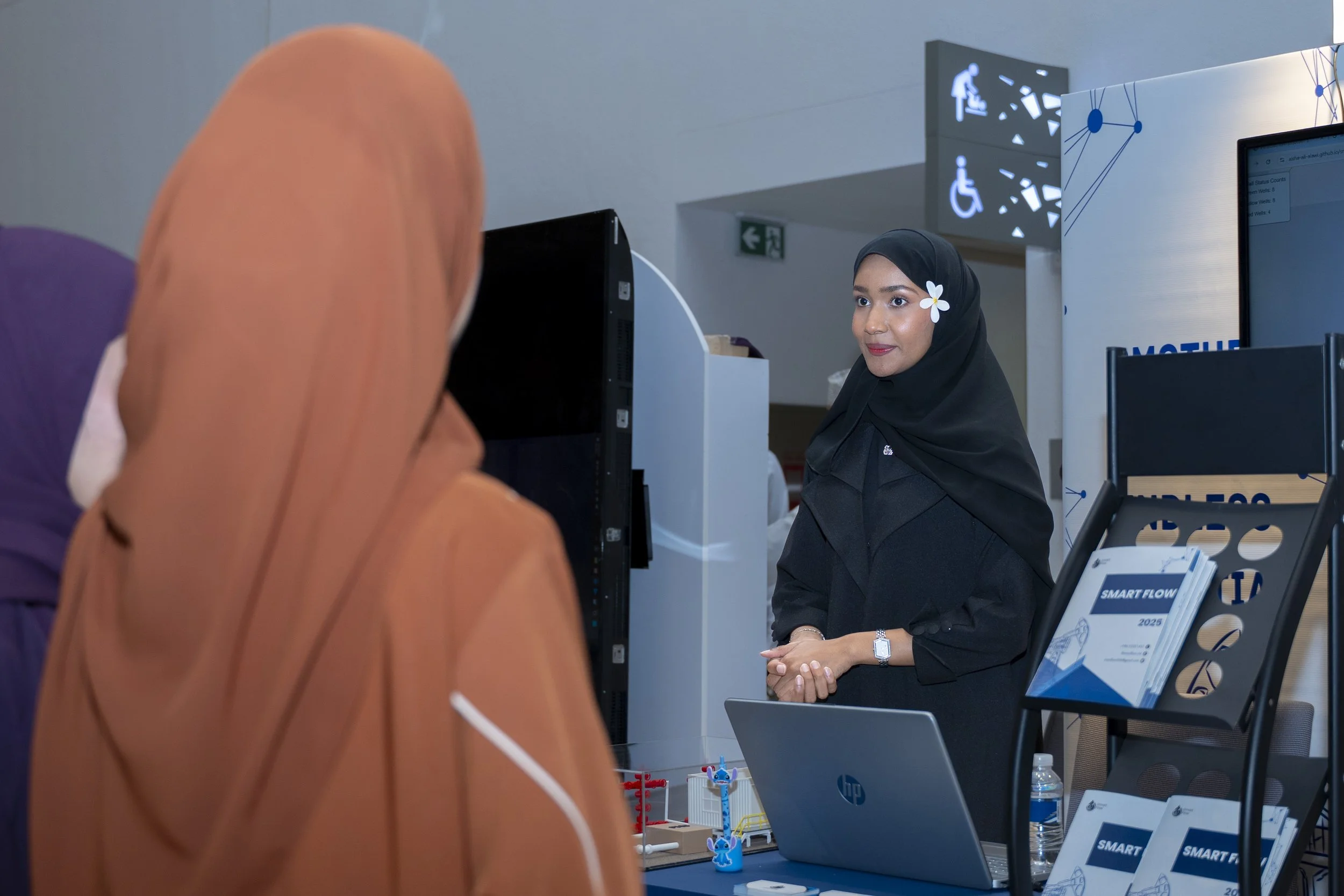
Oman
Sweden (UF Sweden): In Sweden, career readiness takes shape through structured guidance and exploration. Study and career counsellors work with students to help them understand pathways, reflect on interests, and connect learning to future options. By combining counseling with experiential learning, UF Sweden helps students build both clarity and confidence during pivotal decision-making moments.
Tunisia (INJAZ Tunisie): For Salma Ben Amor, what began as the challenge of building the “GoBees” student company through the JA Company Program became one of the most defining experiences of her academic journey. Through structured learning and faculty mentorship at the Faculty of Letters and Human Sciences of Sousse, she gained not only business skills, resilience, and confidence. Salma emerged with a strong belief in her ability to pursue more ambitious ventures, proof that entrepreneurial learning can reshape both skillset and mindset.
Türkiye (JA Türkiye): In Türkiye, JA entrepreneurship education offers young people a platform to test ideas, share perspectives, and build confidence. Participants describe programs as spaces where creativity is encouraged and effort is recognized, helping students see themselves as capable contributors, not just learners. The experience reinforces the idea that resilience grows when young people are trusted with responsibility and voice.
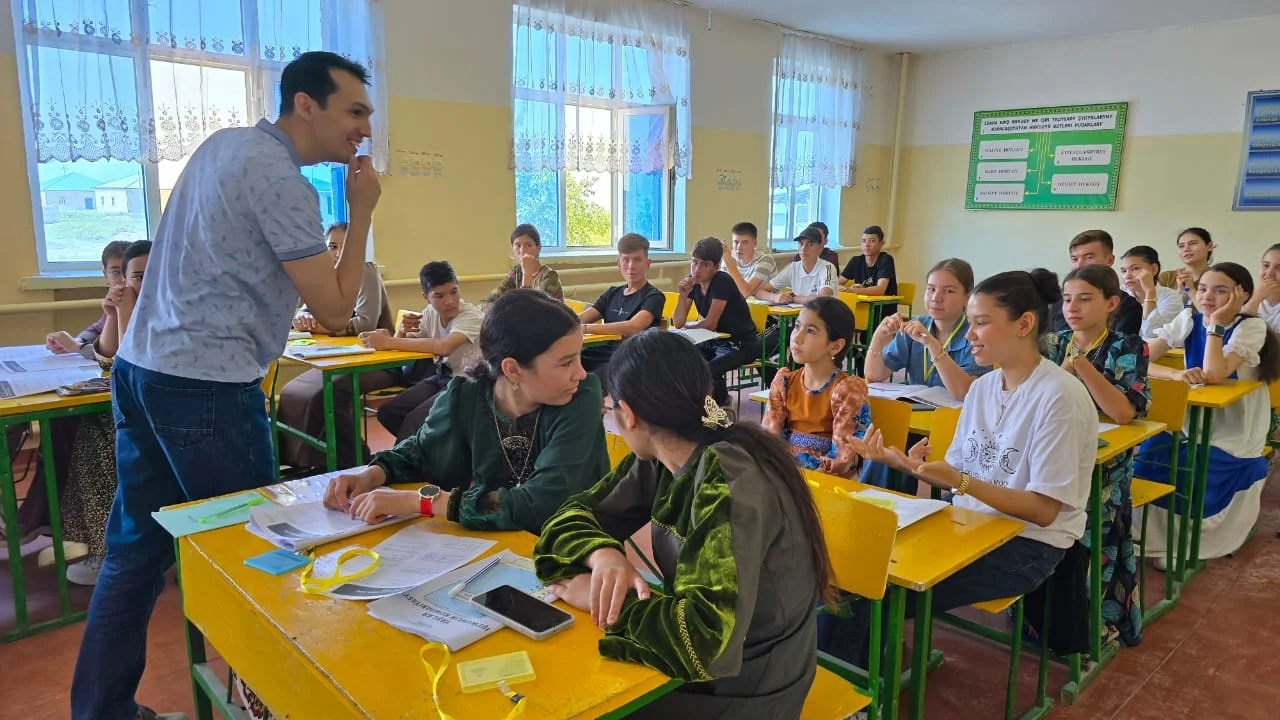
Turkmenistan
Turkmenistan (JA Turkmenistan): For Maksat Gylyjow, participation in the JA Company Program marked a turning point. Before the program, his future felt uncertain. Through entrepreneurship learning, he gained direction and confidence, applying what he learned to agricultural work and business planning. His story reflects how practical skills, paired with belief, can help young people move from ambiguity to action.
United Arab Emirates (INJAZ UAE): At INJAZ UAE’s National Company Program Competition, students described discovering confidence alongside capability. Aisha Ghanchi highlighted growth in communication and public speaking; Tanin Abrishami reflected on learning collaboration and teamwork in new ways; volunteer Jameela Korek described mentoring students as a deeply enriching journey, watching them present confidently at national and regional levels.
United Kingdom (Young Enterprise): At Hampton High School, members of Toastie Coasties—a student company formed through JA UK—set out to create a product with purpose. By turning recycled CDs into coasters, the team learned not only about sustainability, but about leadership, marketing, and teamwork. As they advanced through competitions and engaged their community, students experienced what it means to take responsibility for an idea from start to finish, building confidence that will carry far beyond the classroom.
JA-Z ZurichFoundation Social Equity Program in Africa
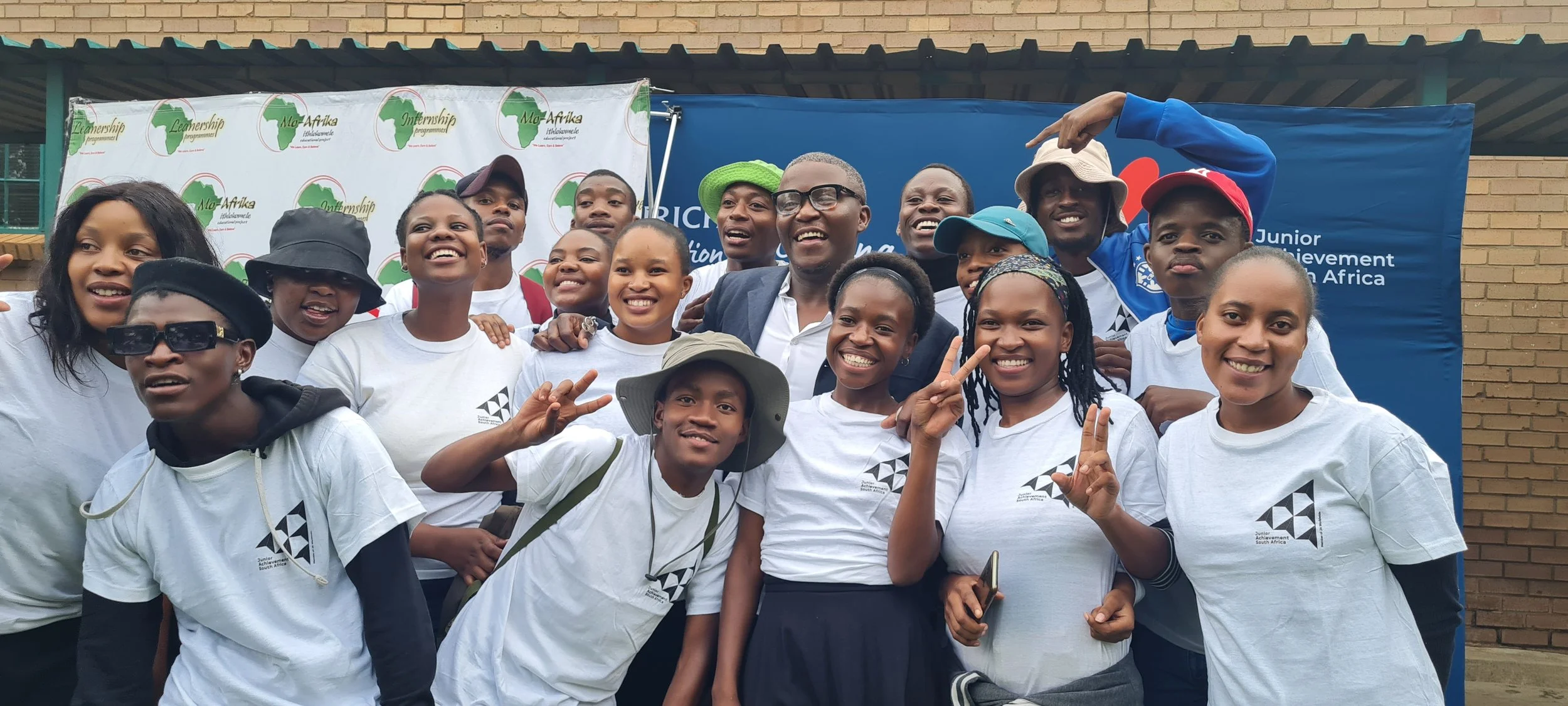
If you’ve followed JA and the Z Zurich Foundation in recent years, you’ve likely heard about the JA–Z Zurich Foundation Social Equity Program (SEP) with JA Africa. This initiative is expanding entrepreneurship and employability pathways across seven countries in sub-Saharan Africa: Burkina Faso, Côte d’Ivoire, Democratic Republic of the Congo, South Africa, Tanzania, Togo, and Uganda.
SEP matters not only because it reaches young people, but because it strengthens the systems that allow JA Africa and JA country teams to scale: learning experience development, delivery models, local partnerships, and the capacity to grow responsibly across multiple contexts.
This Africa work is foundational—and it is only one part of a much broader global relationship.
Longstanding Partnerships Powering Local Innovation
Some of the most enduring impact of the JA–Z Zurich Foundation relationship can be seen in countries where collaboration has evolved over time—allowing programs to deepen, adapt, and scale alongside local education systems and employer needs. They demonstrate what becomes possible when trust, learning, and shared ambition compound year after year.
Canada (JA Canada): In Canada, the focus is on embedding mental well-being and resilience directly into entrepreneurship and work-readiness learning. JA Canada has developed tools and experiences that help young people reflect on stress, confidence, and decision-making alongside business skills. These resources are now influencing how resilience is integrated across the broader JA network, reinforcing that future success depends not only on what young people know, but on how they navigate challenge, pressure, and change.
Indonesia (Prestasi Junior Indonesia): In Indonesia, the primary focus is engaging high school students in the JA Company Program, resulting in the creation of 50 student-led businesses that collectively generated IDR 330,000,000 (approx. USD 20,000) in revenue. Each school was paired with a volunteer mentor from Zurich Indonesia, who provided guidance and expertise. The program culminated in the National Student Company Competition, where the team from Bali won and advanced to the JA Asia Pacific competition, placing third overall. This three-year initiative earned formal recognition from the Ministry of Education and has since been integrated into the grade 10 curriculum in an abridged format, as determined by school principals, while continuing student engagement in grade 11. A strong, ongoing partnership between Prestasi Junior Indonesia (PJI), Zurich Indonesia, and the Z Zurich Foundation has underpinned the program’s success.
Isle of Man (JA Isle of Man): On the Isle of Man, the program has focused on removing structural barriers to youth employment. Just the Job, an online platform developed with JA, connects young people to employers through CV tools, job-matching resources, and a Youth Champion Employers accreditation scheme. Beyond individual placements, the initiative has helped catalyze broader conversations among employers and government about how to better support young people entering the workforce—demonstrating the power of systems-level collaboration.
Italy (JA Italia): In Italy, students participating in Idee in Azione—Zurich@School have translated classroom learning into real-world innovation. At the Pitagora Institute in Taranto, students developed BeSocialBeSafe, an insurance concept designed to protect personal data on social media platforms. Guided by educators and Zurich mentors, the team advanced through national entrepreneurship competitions and earned recognition from the Ministry of Education.
Spain (Fundación Junior Achievement): In Spain, the Z Shake—I Am My Future program addresses one of education’s most pressing challenges: Keeping students engaged and connected to their futures. Through interactive learning experiences focused on self-awareness, soft skills, and academic and career orientation, young people build personalized development plans that strengthen confidence and reduce dropout risk. The program reflects a preventive approach, supporting resilience before disengagement takes hold.
United States (Junior Achievement USA): Z Zurich Foundation supports innovation across JA USA’s extensive national network. Current efforts focus on modernizing learning experiences for middle and high school students and strengthening volunteer engagement models in key markets. These initiatives ensure that insights from global challenge grants and regional programs inform domestic learning design—reinforcing the idea that innovation flows in all directions across the JA network.
Together, these partnerships show how sustained collaboration creates space for experimentation, learning, and scale—benefiting not only individual participants, but the broader systems that support young people.
Shared Commitment to Youth and Resilience
When you look across this global collaboration—from Indonesia to the Isle of Man—you see that resilience grows when young people are trusted with real challenges, guided by caring adults, and surrounded by systems that make opportunity easier to access. Our work together has built not just programs, but pathways, supported by local educators, local volunteers, and global mentors who show young people what’s possible.
The partnership’s impact extends further, into the systems that shape youth opportunity. Support from the Z Zurich Foundation has enabled JA to strengthen our internal learning ecosystem, including the development and integration of structured mental wellbeing resources and expanded content focused on social equity and underserved populations. These additions ensure that resilience is not left implicit, but is intentionally embedded into how learning experiences are designed and delivered across regions, now and in the future.
With the global challenge-grant model, the partnership has also strengthened cross-country collaboration, shared measurement practices, and capacity building, ensuring that local innovation contributes to global learning. The result is not only expanded access for young people, but a more coordinated and scalable platform for impact.
We look forward to what comes next: Expanding what works, strengthening capacity where it matters, and continuing to build resilient futures together.