World Youth for Action Summit Puts Youth Priorities on the Global Agenda
November 17–18, 2026

This week, JA Worldwide turns Delhi, India, into the epicenter of youth-driven change.
The World Youth for Action Summit connects 50 youth delegates with 50 thought leaders, including members of the JA Worldwide Board of Governors, the JA Institute Research Advisory Council, and global sector partners. Together, they’ll develop youth-led recommendations for the next set of Global Goals. India, home to roughly one in five of the world’s young people, provides the perfect setting for the conversation.
Day 1
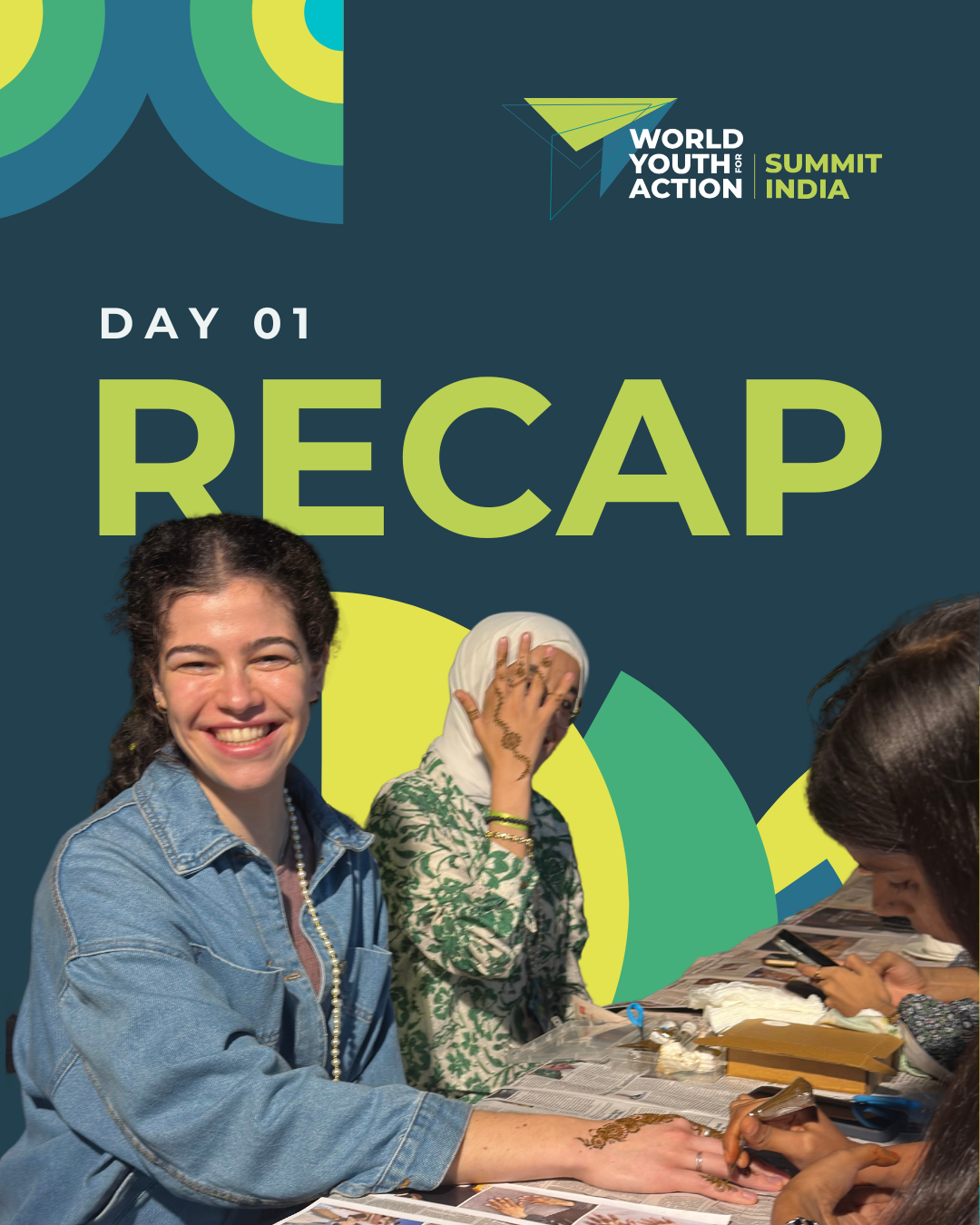
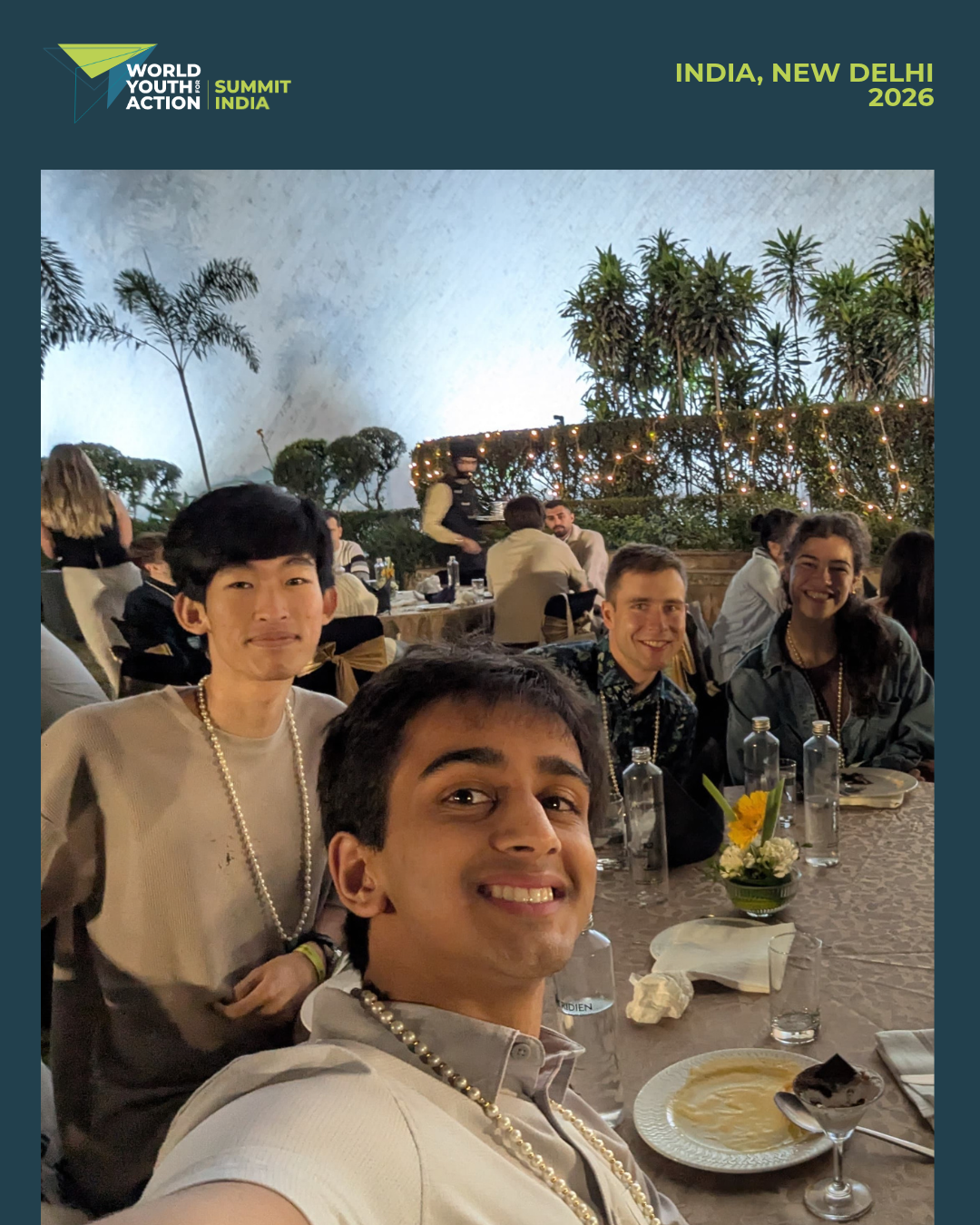
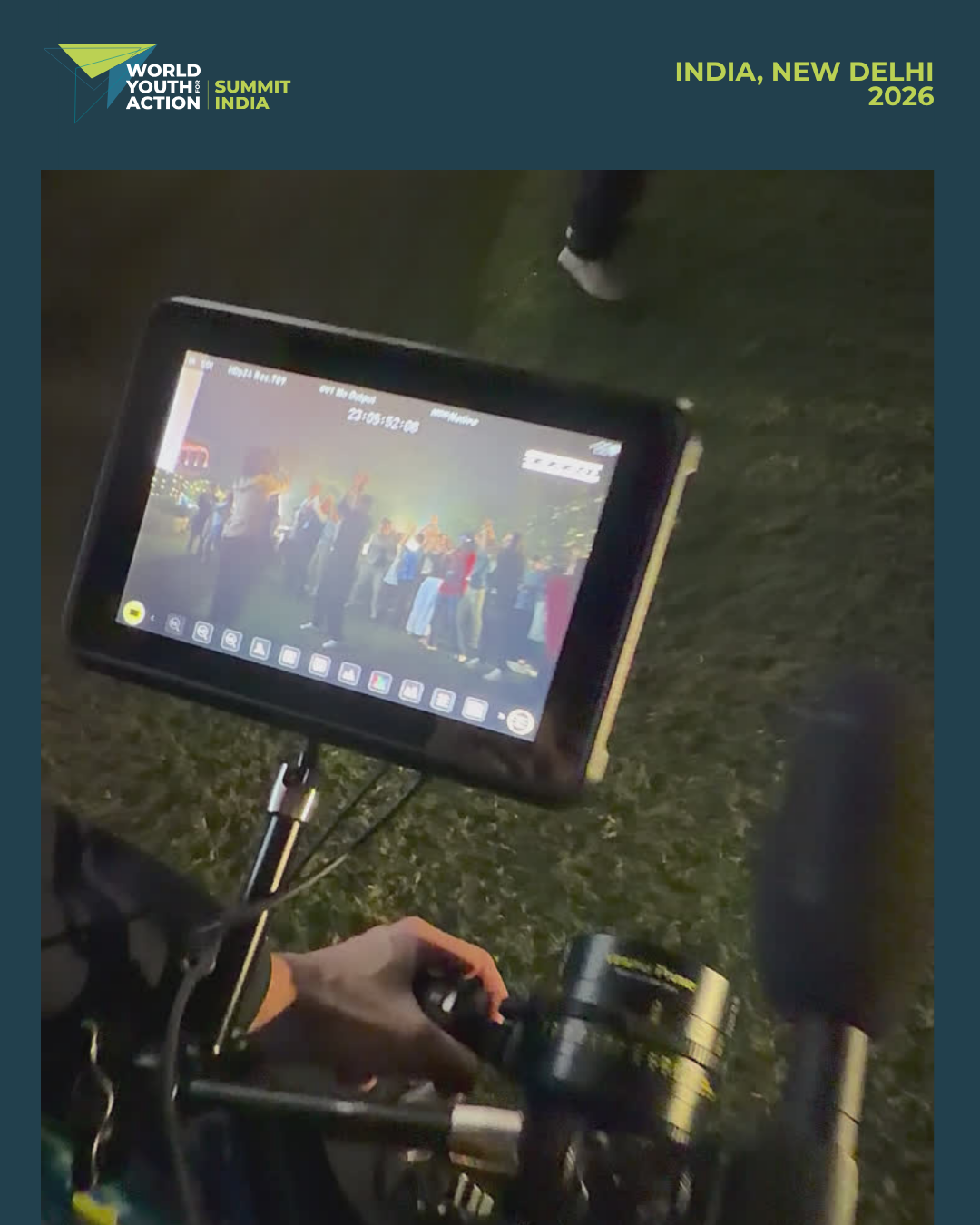
On Tuesday evening, the delegates, ranging from 16–29 years old and representing more than 30 countries, gathered for a connection night. Traditional Indian dance performances, a Bollywood dance class, and mehndi (traditional Indian henna) offered opportunities to connect and experience their host country’s culture. In addition to networking and getting to know one another, the experiences help build trust, curiosity, and openness delegates will need to understand one another’s perspectives when they sit down on Wednesday morning to start developing recommendations.
JA Worldwide Global Board member Zabeen Hirji welcomed the delegates, affirming the value of the work they’re already doing in their communities and encouraging them to build on it. Her message reflected the purpose of the gathering: Young people’s experiences and ideas should help shape the decisions that affect their communities and the wider world.
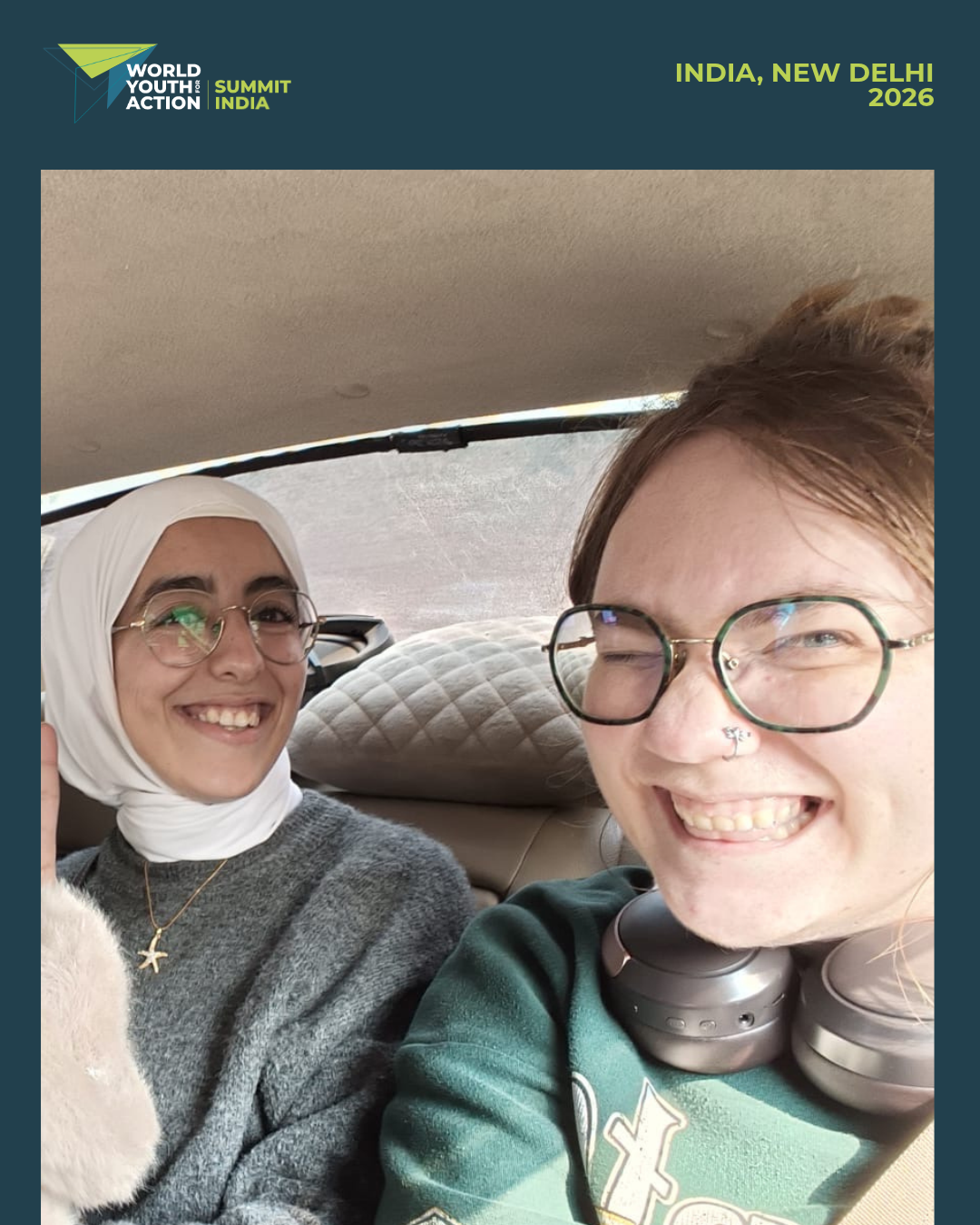
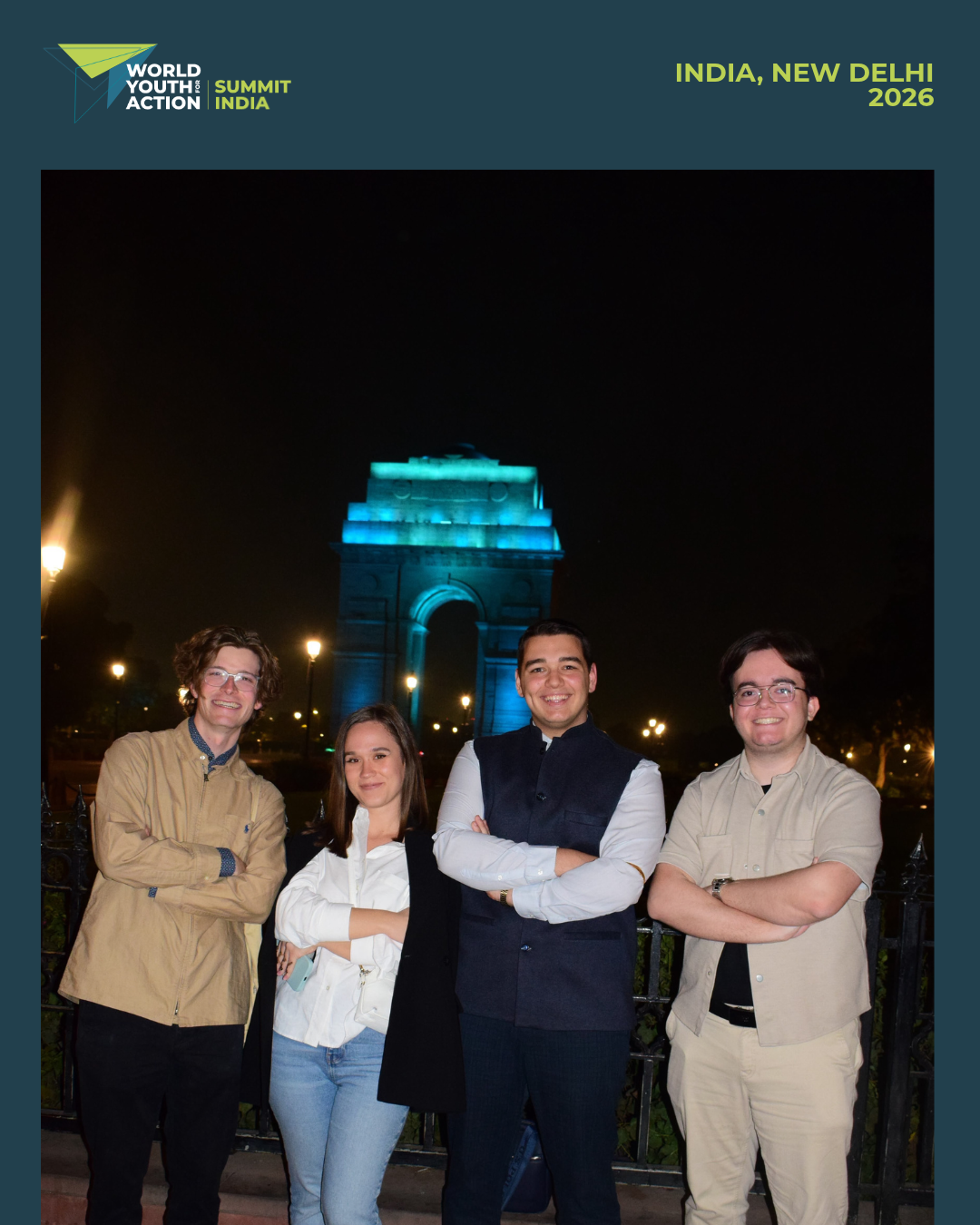
Over the next three days, delegates will draw on those experiences to explore what the next generation of Global Goals should look like and what current systems might be missing. With the United Nations Sustainable Development Goals reaching their target date in 2030, conversations about what comes next have already begun. Young people bring firsthand knowledge of how global challenges affect their communities, and they’ll live with the consequences of the decisions made today. Involving them now creates an opportunity for their priorities to inform the next goals from the outset.
Day 2
On Day 2, delegates began turning months of conversations with young people around the world into recommendations. They started by giving members of the JA Worldwide Board of Governors and invited guests a role in the work: Listen to what young people are experiencing, ask hard questions about their proposals, and be ready to have their own thinking challenged.
The day opened with a video featuring voices of youth advocates who couldn’t be in Delhi. Then six youth speakers took the stage to explain why those perspectives matter. For some young people, getting an education depends on whether their families can afford it, whether they have electricity, or whether they can get to school safely. Those differences matter when setting global priorities: A goal that looks the same on paper can ask very different things of the communities expected to achieve it.
JA Worldwide President and CEO Asheesh Advani opened the panel that followed by asking each panelist to complete one sentence: “For young people in my community to thrive by 2030, the world needs to . . .” Panelists included Viktor Tsvetanov, Bulgarian Youth Delegate to the UN and JA Bulgaria alumnus; Zabeen Hirji, Founder, Purposeful Third Act and member of the JA Worldwide Board of Governors; Cynthia Anaba, JA Alumni Community Engagement Officer, JA Africa Alumni; Eric Dawson, CEO, Rivet; and Sam Masri Global Chief Revenue Officer, Business Transformation Management, SAP SE, who is also an INJAZ alumnus and JA Worldwide Global Council member. The opening prompt grounded the conversation in what young people need in their own communities before asking what should change globally.
Before breaking into working groups, delegates took part in a Nonflict workshop led by Million Peacemakers. The workshop gave them tools to work through disagreements, a useful skill when people from different communities have to decide which priorities belong in a shared set of recommendations. Delegates then dove in, developing proposals across five key areas: people, planet, prosperity, peace, and partnership.