
Co-Creating the Future of Learning: JA, Youth, and AI
January 24, 2026
Education that prepares young people for peace, prosperity, and participation doesn’t happen in isolation. It’s co-created through dialogue, experimentation, and shared responsibility. When approached thoughtfully and ethically, AI can help students strengthen that partnership. Trusting students with these tools and giving them agency to direct their own learning leads to more inclusive, more relevant, and more powerful educational outcomes.
Through JA learning experiences around the world, young people aren’t just learning about AI, they’re also using it to ask better questions, collaborate more effectively, and design solutions grounded in real needs. Turning that belief into practice requires educators and organizations willing to rethink how learning is designed and delivered.
JA Worldwide designed the JA AI Ambassador Program to expand this student-centered approach by supporting JA staff as they embed AI literacy into local and regional learning experiences. AI Ambassadors collaborate with peers worldwide, test new ideas, and translate emerging technologies into practical, responsible learning tools that strengthen student agency.

Connect with Asli on LinkedIn.
At JA Germany, Project Manager Asli Karabenli focuses on how AI can support student decision-making inside the JA Company Program. Through a structured series of hands-on workshops, students from diverse backgrounds explore AI fundamentals, responsible use of generative AI, and real-world applications such as project planning and collaboration. Rather than providing answers, a newly developed AI-supported project management tool acts as a digital learning coach, helping student teams set goals, structure tasks, and reflect on progress. “Because we can actively adapt and refine this approach, we closely observe how different student teams engage with it and where it helps lower barriers to participation,” Asli noted. The result is a learning environment where students take greater ownership of both their ideas and their outcomes.

Connect with Foluso on LinkedIn.
In Africa, Foluso Gbadamosi, Vice President of Development at JA Africa, is focusing on demystifying AI for young people and positioning it as a practical tool to unlock creativity and leadership. “During one of my AI sessions with students,” Foluso noted, “many shared that it was their first time truly understanding what AI is and how it can be used beyond social media or entertainment.” Through activities like AI for My Community, students identify local challenges such as literacy gaps, waste management, and access to information, then use AI tools to develop and refine potential solutions. With ethics and critical thinking embedded throughout, students begin to see themselves not only as learners, but as contributors to more inclusive and equitable communities.

Connect with Retna on LinkedIn.
At Prestasi Junior Indonesia (PJI), Retna Widiyasrini, Assistant Manager of Program Strategy and Innovation, saw firsthand how quickly AI tools entered classrooms and how urgently students need guidance. Her work centers on ensuring AI strengthens human potential rather than replacing it. “I watched AI sweep through our schools like wildfire. Within months, nearly every student was using it, captivated by what they perceived as a ‘smart technology that can do everything.’ However, my initial excitement quickly gave way to concern. Students were using AI blindly, without understanding its risks, their responsibilities, or its true potential. Witnessing this made me realize that AI literacy is no longer optional, it is essential.” By integrating AI literacy into the JA Company Program and career readiness experiences, PJI students use AI to brainstorm ideas, build business plans, and practice job interviews through realistic role-play. For many, AI becomes a creative partner that expands access to knowledge and levels the learning field, regardless of background. Students gain confidence not just in technology, but in their ability to navigate their futures with intention.
When students are empowered to direct their learning in this way, the impact extends well beyond the classroom. That confidence shows up clearly in student-led ventures around the world. In the MENA region, these ideas are already taking shape through student-driven innovation in high schools and universities.
In Kuwait, university students in the JA Company Program formed Team Amal after one member reflected on the daily challenges his blind grandmother faced. The team developed an AI-supported digital platform designed to help people with visual, hearing, and speech disabilities engage more fully with society. Their work earned Best Student Company at the INJAZ Kuwait Company Program competition and led them to represent their country at the regional Youth Entrepreneurship Celebration (YEC). The team continues refining the platform, demonstrating how education rooted in empathy and technology can evolve beyond the classroom.
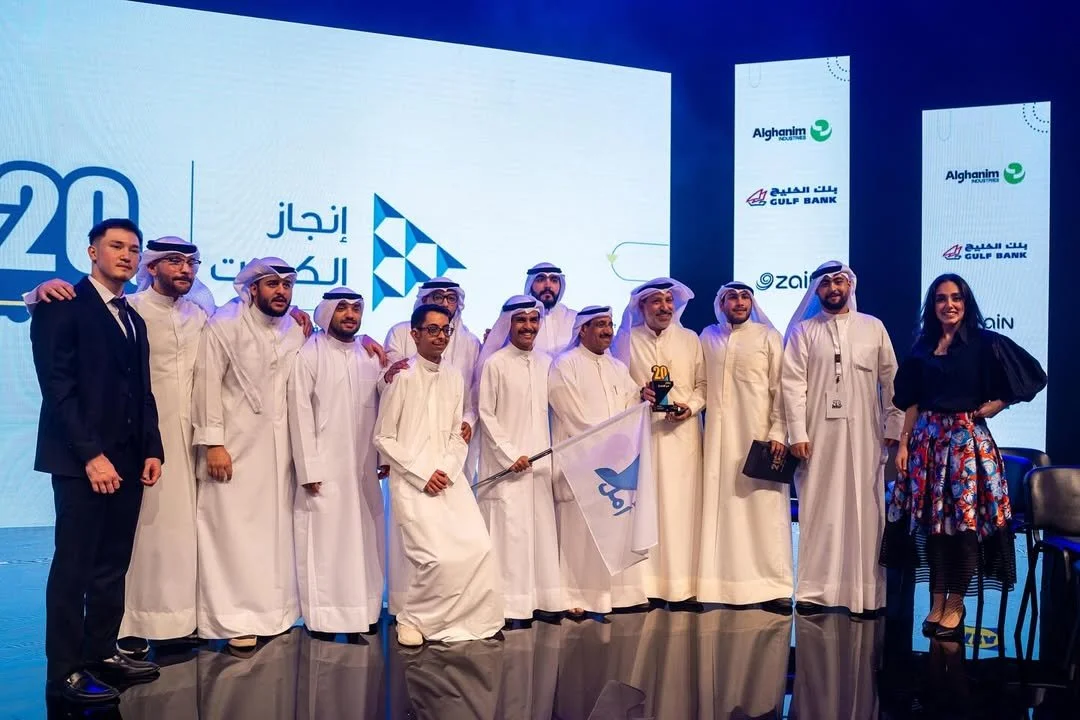
Amwal, INJAZ Kuwait’s 2025 university student company champion. Learn more about Amwal.
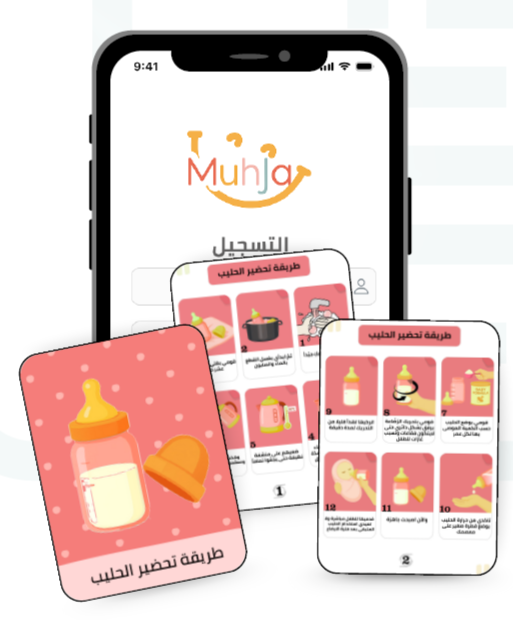
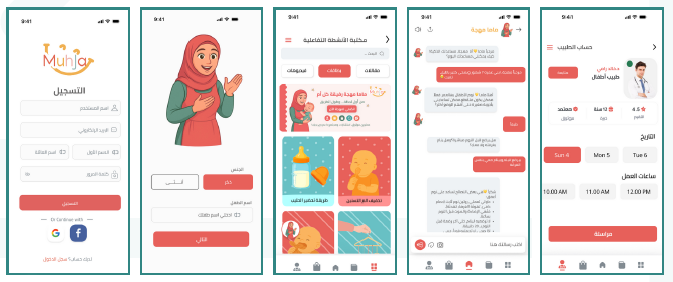
In Palestine, students from An-Najah National University developed Muhja, a human-centered digital platform. AI assistant Mama Muhja combines technical rigor with a warm, supportive tone, providing support for mothers during a child’s first three years. The students used AI to personalize trusted health and parenting content while setting clear ethical boundaries so AI supports (rather than replaces) human judgment.
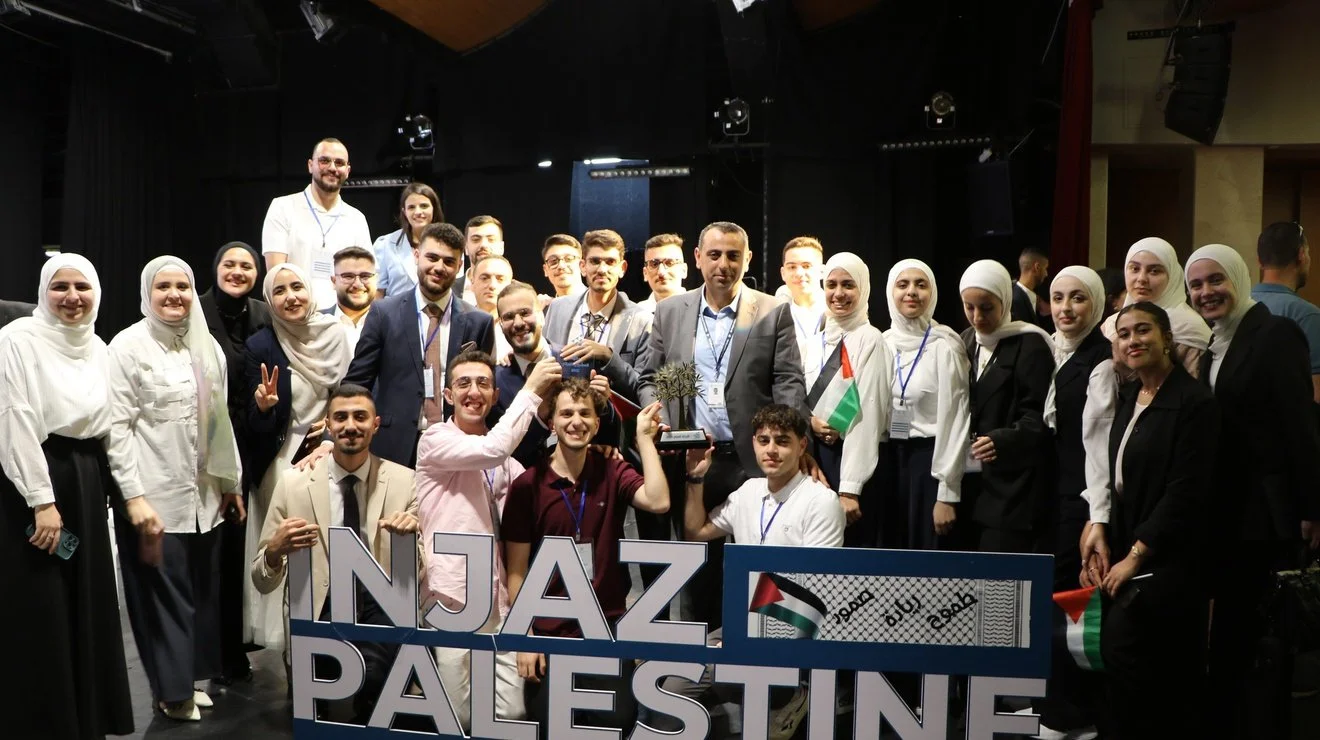
INJAZ Palestine students at Ras Atiya Girls Secondary School created Chalet Savior – Pool Guard, an AI-powered safety system designed to detect signs of swimmer distress and send rapid alerts. What began as a school project became a life-saving concept.
In the United Arab Emirates, students launched Speak.ai, an AI-driven customer support solution that uses voice technology and business analytics. Their human-centered approach earned national and international recognition, including Product of the Year at the INJAZ UAE national competition, for demonstrating how AI can complement human skills, not replace them.
Taken together, these student innovations and JA staff initiatives illustrate a simple but powerful idea: education works best when it’s a shared responsibility.